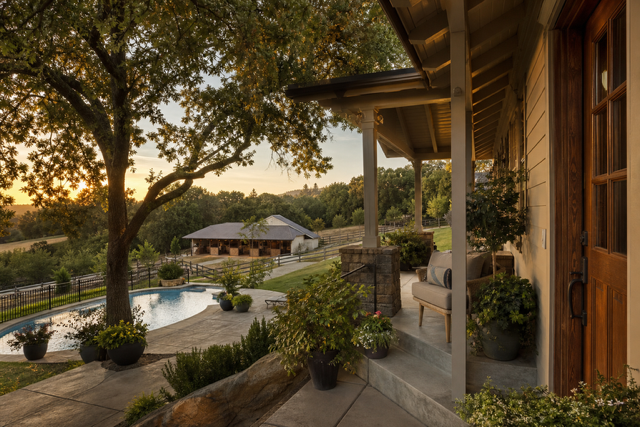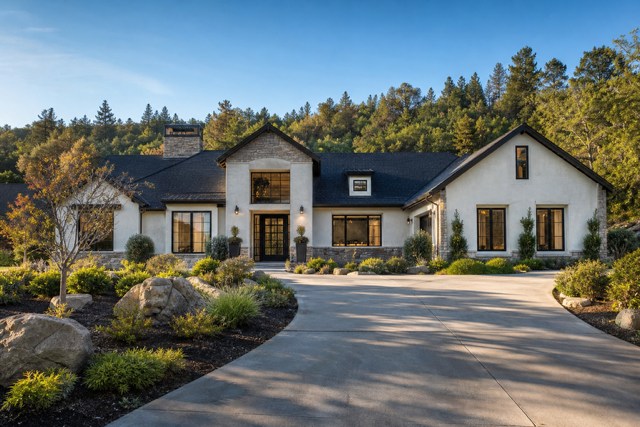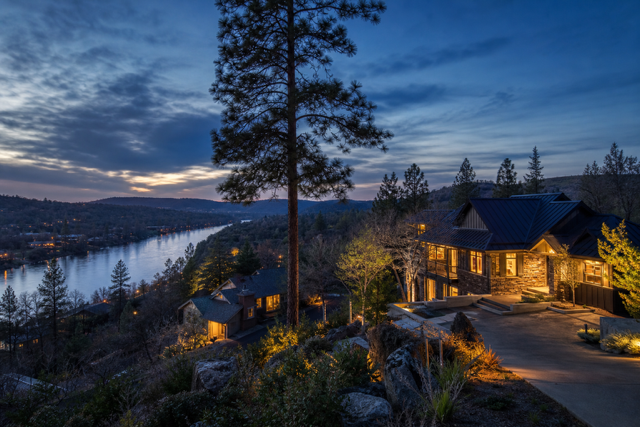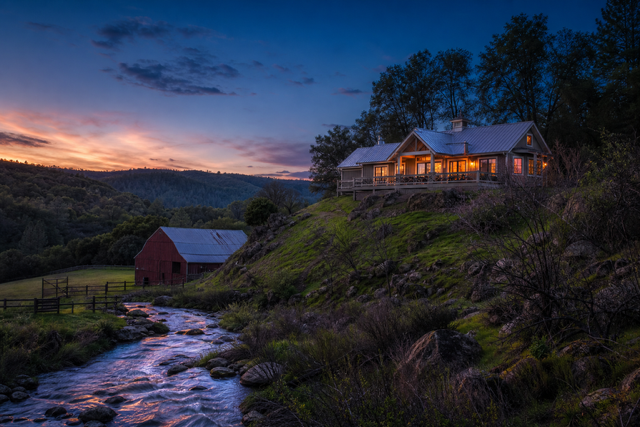


How to Find a Horse Property in Placer County CA
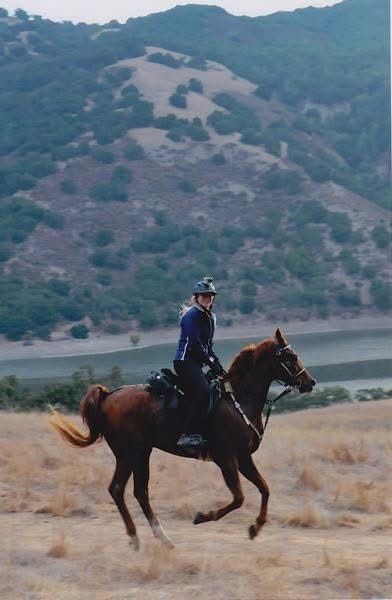
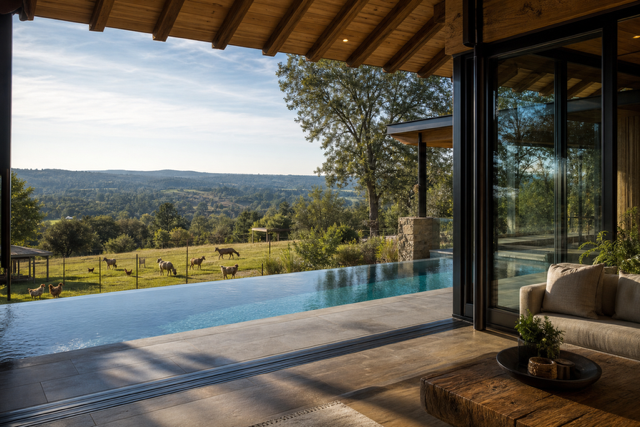
For many horse owners, the dream is simple: your horses living at home instead of being boarded somewhere else.
But finding the right horse property in Placer County isn’t always easy. Many listings advertise “acreage” or “horse property,” yet when you look closer, the property may not actually be set up for horses.
Buyers relocating from the Bay Area or moving up locally often discover that finding a true equestrian property requires more than just a house with land.
As a horse owner myself, I understand what equestrian buyers actually need — things like usable acreage, safe fencing, turnout areas, and trailer access.
I help horse owners find equestrian properties in Auburn, Loomis, Penryn, Newcastle, Meadow Vista, and Grass Valley so their horses can live at home instead of being boarded.
If you’re starting your search, here’s what to know about finding the right horse property in Placer County.
Why Placer County Is Popular for Horse Property Buyers
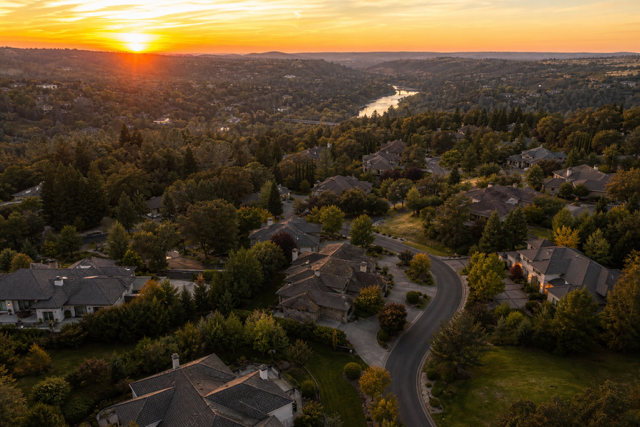
Placer County and the surrounding foothill communities have become one of Northern California’s most desirable areas for equestrian living.
Many buyers relocating from the Bay Area are drawn to the lifestyle the region offers.
Communities like Auburn, Loomis, Penryn, Newcastle, and Meadow Vista offer:
- Larger acreage properties
- Rural privacy with modern homes
- Access to riding trails
- Space for barns and paddocks
- A strong equestrian community
- Proximity to Sacramento and Tahoe
Compared to the Bay Area, buyers are often able to find significantly more land and better horse facilities for the same budget.
For many horse owners, this area offers the perfect balance between country living and convenience.
What Actually Makes a Property Horse-Friendly
One of the biggest misconceptions buyers have is assuming that any property with acreage works for horses.
In reality, a true horse property needs specific features to be functional and safe.
Here are some of the key things equestrian buyers should look for.
Proper Zoning for Horses
Before anything else, it’s important to confirm the property allows horses.
Different areas have different zoning requirements that determine:
- number of animals allowed
- minimum acreage
- setbacks for barns and structures
A property may have land but still have restrictions on livestock.
Usable Acreage
Not all acreage is usable for horses.
Things that impact usability include:
- steep terrain
- rocky soil
- limited pasture space
- tree density
Horse owners need enough flat, functional space for turnout and movement.
Safe Fencing and Paddocks
Good horse properties typically include:
- cross fencing
- paddocks
- safe perimeter fencing
Horse-safe fencing is critical for both safety and long-term maintenance.
Barns and Stall Space
Some horse properties include:
- barns
- stalls
- tack rooms
- feed storage
Other properties may offer the space to build these amenities later.
Many buyers find properties where the basic infrastructure exists and small upgrades can be added.
Trailer Access
Horse trailers require room to maneuver.
A horse-friendly property should allow:
- easy driveway access
- room to turn trailers around
- trailer parking
This is something many buyers overlook when evaluating properties.
Arena or Riding Area Potential
Many horse owners want the ability to ride on their property.
This could include:
- a riding arena
- a round pen
- flat land suitable for riding
Even if an arena isn’t already built, buyers often look for properties with the space and layout to add one later.
Common Mistakes Buyers Make When Searching for Horse Property
Buying horse property is very different from buying a typical suburban home.
Here are some common mistakes equestrian buyers make.
Assuming All Acreage Works for Horses
Some properties have land but lack usable turnout areas or safe fencing.
Not Checking Zoning Early
Zoning rules can impact how many horses are allowed and where structures can be built.
Underestimating Setup Costs
Adding barns, fencing, or arenas can add significant costs if the infrastructure doesn’t already exist.
Ignoring Trailer Access
A property may look perfect until you realize your horse trailer can’t easily get in or out.
Working With Agents Who Don’t Understand Horse Property
Horse properties have unique considerations that many real estate agents simply don’t encounter in typical transactions.
Understanding how a property functions for horses makes a big difference when evaluating listings.
Turnkey Horse Property vs. Fixer Horse Property
Horse buyers in Placer County generally fall into two categories.
Turnkey Horse Properties
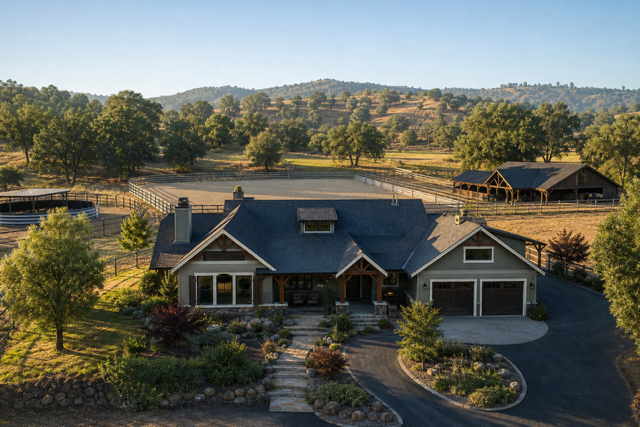
These homes already include equestrian infrastructure such as:
- barns
- stalls
- paddocks
- tack rooms
- fencing
- arenas
Turnkey properties can allow buyers to bring their horses home immediately.
Properties With Horse Potential
Some buyers purchase properties that need small improvements.
Examples include:
- adding cross fencing
- installing gates
- building a tack room
- creating turnout paddocks
Many buyers like this option because it allows them to customize the property to their horses and riding style.
A Common Story I See With Buyers
Many of my clients come from the Bay Area and currently board their horses at a stable.
Boarding can cost hundreds or even thousands of dollars per month, and many owners feel like they never spend enough time with their horses.
I recently worked with a buyer relocating from the Bay Area who had been boarding two horses.
Their goal was simple: find a property where the horses could finally live at home.
We focused on properties in the Auburn foothills where there was enough acreage to add fencing and turnout areas.
Once they moved in and made a few improvements, their horses were finally just steps from the house.
For many horse owners, that lifestyle change is the entire reason they move here.
Why Working With an Equestrian Realtor Matters
Horse properties require a different perspective than traditional real estate.
As a horse owner myself, I understand firsthand what equestrian buyers need when evaluating a property.
Things like:
- turnout space
- fencing safety
- barn layout
- trailer access
- arena potential
- pasture usability
These details can make a huge difference in whether a property truly works for horses.
Many listings may say “horse property,” but it takes experience to evaluate whether the property actually supports the equestrian lifestyle buyers want.
Frequently Asked Questions About Horse Property in Placer County
How many acres do you need for a horse in Placer County?
Requirements can vary depending on zoning and land conditions, but many horse owners prefer properties with multiple acres to allow adequate turnout and pasture space.
Can you keep horses in Auburn CA?
Many rural areas around Auburn allow horses, but zoning and property size can impact the number of animals allowed.
What should I look for when buying a horse property?
Key features include:
- usable acreage
- safe fencing
- barn or stall potential
- turnout space
- trailer access
- arena space
Are horse properties common in Loomis and Newcastle?
Yes. Loomis, Penryn, Newcastle, and Meadow Vista are all popular areas for buyers looking for equestrian properties with acreage.
Thinking About Buying a Horse Property in the Auburn Area?
Many horse owners searching for property in the foothills want the same thing — a place where their horses can live at home.
If you’re looking for equestrian properties in:
- Auburn
- Loomis
- Penryn
- Newcastle
- Meadow Vista
- Grass Valley
I’d be happy to help you explore the available options and find a property that works for both you and your horses.