


Blog

Equestrian estates in North Auburn combine genuine acreage, a rural foothill setting, and surprisingly fast access to Sacramento via I-80 and Highway 49. The area sits within unincorporated Placer County, which means zoning, permitted uses, and infrastructure requirements vary significantly from parcel to parcel, making local expertise and careful due diligence the difference between a dream property and an expensive surprise. Key Takeaways Recent Auburn market data shows a median list price of $799,900 with homes averaging 70 days on market. Nearly half of active listings have reduced their asking price, which means well-prepared equestrian estates still move, but buyers have more room to negotiate than they did a year ago. North Auburn is unincorporated Placer County, not a city, so zoning rules, animal-density allowances, and permit requirements are set at the county level and vary by parcel. Auburn sits at the junction of I-80 and Highway 49, putting Sacramento commuters roughly 30 miles from the city while still living on acreage in the foothills. Horse-keeping rights are not automatic on every North Auburn parcel, zoning designation, lot size, setbacks, and any HOA restrictions must be confirmed before you make an offer. Infrastructure details (well capacity, septic size, driveway grade, barn permits, arena footprint) are what separate a true horse property from a large lot that happens to have a pasture. Why do buyers choose equestrian estates in North Auburn over other foothill communities? Honestly, it comes down to the combination. You get the feel of a genuine country property without giving up the kind of regional access that makes daily life manageable. Auburn sits at the intersection of Interstate 80 and State Route 49, which means Sacramento is reachable without a white-knuckle mountain drive, and foothill destinations toward Tahoe and Nevada City are just as accessible in the other direction. That access matters more than buyers sometimes admit at first. I've worked with clients who fell in love with a beautiful property two hours from everything, only to feel isolated within a year. North Auburn threads that needle well. Then there's the equestrian culture. The region has a deep riding identity, anchored by events like the Tevis Cup , a demanding long-distance endurance ride held in the Auburn area. That culture draws like-minded buyers and supports a network of trails, trainers, and facilities that more isolated rural areas simply don't have. Auburn is the Placer County seat , which means the broader community has the governmental infrastructure, services, and commercial base you'd expect from a regional center, not a tiny outpost where you drive an hour for groceries. The outdoor lifestyle piece Beyond the riding itself, North Auburn has solid recreational infrastructure. Auburn Regional Park covers 62 acres and includes sports fields, tennis and pickleball courts, a basketball court, sand volleyball, an 18-hole disc-golf course, a three-acre pond, playgrounds, and indoor recreation facilities. For neighborhood-scale open space, North Park in North Auburn offers a playground, basketball courts, picnic areas, and a dog area. For buyers coming from the suburbs, that combination of trail access, parks, and community amenities makes the transition to acreage living feel a lot less like starting from scratch. What do you actually need to verify before buying a horse property in North Auburn? This is where I slow every client down, because the marketing on equestrian listings can run ahead of the facts. A property that's listed as a "horse property" or "equestrian estate" may have the land and the barn, but that doesn't automatically mean the zoning permits what you want to do with it. Here's what I walk every buyer through before we even schedule a second showing. Zoning and permitted use North Auburn is unincorporated Placer County, not a city, so the rules are set at the county level and they vary by parcel. The zoning designation on your specific parcel determines how many animals you can keep, what structures you can build, what setbacks apply to barns and arenas, and whether any commercial equestrian use (boarding, training, lessons) is permitted at all. Two neighboring parcels can have meaningfully different rules. I always pull the Placer County planning and zoning records for the exact parcel address, not just the general "Auburn" label, before we go deep on any horse property. That's a non-negotiable first step. Water, septic, and infrastructure Horses need a lot of water. A well that works fine for a household may not have the capacity to support a barn full of animals, an arena irrigation system, and a household simultaneously. Septic systems sized for a residence often weren't designed for the waste load of a working barn. These aren't deal-killers, but they're costs and constraints you need to know about before you're in contract. Other infrastructure items I flag for every equestrian buyer: Driveway grade and width , can a horse trailer or hay delivery truck actually navigate it? Barn and arena permits , are existing structures permitted, or are there unpermitted improvements that could complicate financing or future work? Fencing condition and type , not all fencing is appropriate for horses, and replacement costs add up fast on a large parcel. Wildfire considerations , foothill properties require attention to defensible space requirements, which can affect where structures are placed and how vegetation is managed. Manure management , some parcels have restrictions on composting or storage proximity to water features and property lines. Every situation is different, and the only way to know what you're actually buying is to run through this list with someone who knows what to look for in Placer County specifically. That's exactly the kind of pre-offer analysis I do with my buyers. A snapshot of the broader market To give you a sense of market pace: Auburn's current data shows a median of 70 days on market and 48% of active listings have taken a price reduction. That's not a distressed market, it's a more balanced one where preparation and pricing still matter for sellers, and where buyers who've done their homework have real room to negotiate. Getting your due-diligence done before you find the property, not after, is exactly the right play in this environment.
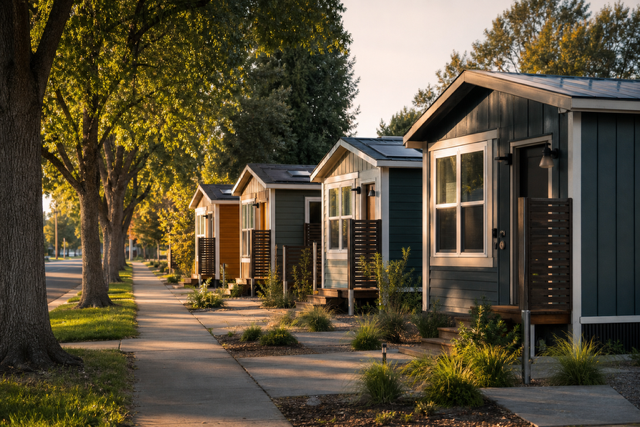
The 100-unit senior and veteran tiny home village planned for 2809 Rio Linda Blvd is permanent supportive housing, not a temporary shelter or encampment. State funding of roughly $31.9 million was secured in July 2026 through California's Homekey+ program, a building permit application was filed in August 2026, and the project is on track for a groundbreaking around early 2027 and an opening by January 2028. Research from the NYU Furman Center and others consistently finds that well-managed permanent supportive housing does not produce long-term negative impacts on nearby property values, and that replacing a blighted parcel can benefit immediate neighbors. Key Takeaways The City of Sacramento secured approximately $31.9 million in state Homekey+ funding in July 2026 for the Rio Linda senior and veteran tiny home village at 2809 Rio Linda Blvd. The project is 100 units of permanent supportive housing, each a 240-square-foot studio with a private bathroom and kitchenette, not a shelter or temporary encampment. Residents must be seniors or veterans who are homeless or at risk of homelessness, with annual incomes below approximately $27,600 based on HUD area median income guidelines. A building permit application was filed August 21, 2026; groundbreaking is projected around early 2027, with an anticipated opening by January 2028. Multiple peer-reviewed studies find no statistically significant long-term negative impact on nearby property values from well-managed supportive housing, and some show stronger appreciation for homes within 500 feet after opening. Recent local market data shows a Sacramento-area median sale price of $511,000, with homes selling in a median of 16 days, a backdrop that continues to favor well-presented properties in North Sacramento. What exactly is being built at 2809 Rio Linda Blvd, and who will live there? Let me clear up the most common misconception first: this is not a shelter, not a tent city, and not a temporary micro-community. The Rio Linda project is permanent supportive housing , a distinction that matters enormously when you're thinking about neighborhood impact. Here's what the plans actually call for. According to a City of Sacramento staff report , the development will place 100 pre-manufactured tiny homes on about 2.41 acres, roughly 42 units per acre. Each unit is approximately 240 square feet with a private bathroom, shower, and kitchenette, manufactured by BOSS Homes. The site will also include community gardens, open space, shared laundry, storage, a gated entry, gathering spaces, and about 38 parking stalls, per that same city report. Residents will sign leases and pay no more than 30% of their income toward rent, consistent with HUD affordability standards described in the City of Sacramento Mayor's Office announcement . To qualify, residents must be seniors or veterans who are homeless or at risk of homelessness, with annual incomes below approximately $27,600, based on HUD area median income guidelines for the Sacramento region, as reported by The Sacramento Bee . The site itself is a long-vacant, visibly blighted parcel at Rio Linda Boulevard and Las Palmas Avenue, as documented by The Sacramento Bee . Nothing is being displaced. The project replaces underused land that has sat idle and contributed to neighborhood blight. How does this differ from other Sacramento tiny home projects? The City has also planned several smaller micro-communities using roughly 120-square-foot units with shared facilities. Rio Linda Boulevard and the companion site at 4290 Mack Road are explicitly identified as the two permanent tiny home villages, with full private amenities, long-term tenancy, and more robust design, as outlined in the City's Six Point Plan to address unsheltered homelessness . That plan targets adding 1,000 new beds, with the two permanent villages together housing around 220 households. The funding picture reinforces that permanence. In July 2026, Sacramento announced it had secured approximately $31.9 million through California's Homekey+ program , according to the ABC10 report on the announcement. Homekey+ is a state-funded program with serious capital commitments, this is not a grant that evaporates in two years. What does the research say about property values near supportive housing? I hear the worry from neighbors every time a project like this gets announced, and I get it. The fear is real. But the data tells a more reassuring story than the headlines suggest. The most cited research comes from the NYU Furman Center for Real Estate and Urban Policy , whose studies on supportive housing and property values consistently find no statistically significant long-term negative impact on nearby home values . In some cases, properties within roughly 500 feet of a well-managed supportive housing site actually see stronger appreciation after opening compared with similar properties further away, as summarized in a related NYU Law review of the research . A broader literature review reinforces the point: BC Housing's community benefits research and a Homeless Hub summary both conclude that subsidized and supportive housing, when well managed and integrated, does not systematically reduce property values. A San Mateo County Health and NAR summary echoes those findings on both property values and crime metrics. There is a nuance worth naming honestly. Studies do show that homes roughly 500 to 1,000 feet away can experience short-term perception-driven dips around the time of construction and opening , largely tied to fear and media coverage rather than actual neighborhood change. Those impacts tend to fade over several years as projects operate and demonstrate stable management, per a San Rafael working paper on supportive housing impacts . Three impact zones worth thinking about When I talk through a project like this with clients who own nearby, I think about three concentric rings: Immediate adjacency (within a few hundred feet): Most likely to benefit. Removing a blighted parcel, adding landscaping, a gated site, and regular on-site management tends to improve the immediate streetscape. The research supports this outcome when management quality is high. Near neighborhood (a few blocks out): Most sensitive to perception and early media narratives. Values here depend heavily on how the project is communicated, how the site is managed, and whether early incidents (if any) get outsized coverage. This is the zone where patience and good information matter most. Wider South Hagginwood and North Sacramento market: Largely unaffected by a single 100-unit site. Broader drivers, interest rates, regional inventory, employment, and the overall Sacramento market, will dominate here. Your specific property's situation depends on its exact location relative to the site, its condition, and how the project's management performs after opening. That's a conversation worth having with someone who knows this corridor. What should North Sacramento property owners and investors do now? The Sacramento-area market heading into fall 2026 gives useful context. Recent local market data shows a median sale price of $511,000, with homes selling in a median of 16 days and 1,507 active listings, a market that continues to move. The California Association of REALTORS® May 2026 report put the Sacramento County median for existing single-family homes at $560,500, up about 1.9% year-over-year, with an unsold inventory index of 2.9 months. The CAR Q2 2026 Housing Affordability Index shows Sacramento at roughly 32% affordability, moderate by California standards. And a KCRA report on the Sacramento market in May 2026 noted average days on market running 24 to 26 days, with inventory up about 10% month-to-month. That's a backdrop where well-presented, updated properties in North Sacramento remain liquid. A single supportive housing project is not going to flip that dynamic. For homeowners near the project If you own within a few blocks of 2809 Rio Linda, the most useful thing you can do right now is get a current market analysis on your property, not a Zestimate, a real one. Understanding your baseline value before groundbreaking (projected around early 2027) gives you a benchmark. It also helps you make an informed decision if you're weighing a sale before construction begins versus holding through opening. I walk my clients through exactly this kind of timing question. The answer is almost never obvious without running the numbers against your specific situation. For investors evaluating North Sacramento rentals For rental investors, the Rio Linda village primarily affects neighborhood narrative and tenant mix rather than fundamental demand for housing in South Hagginwood. The HUD study on supportive housing impacts found that well-managed sites do not systematically depress rental demand in surrounding blocks. Evaluate cash flow, property condition, and your management plan as you would any North Sacramento rental. The village is one data point, not the whole picture. The construction window, roughly early 2027 through January 2028 based on the Sacramento Signal's tracking of the August 2026 permit filing and city memos, is the period most likely to generate noise and perception pressure. Investors with a 5-plus-year hold horizon are better positioned to ride through that window than those looking for a quick flip.
Should 55+ buyers use their own agent when visiting a new construction sales office? Yes, always. The sales office rep at a new build works for the builder, not you. Having your own buyer's agent costs you nothing extra, but it means someone is at the table looking out for your interests, reviewing the contract fine print, recommending a home inspection before closing, and helping you make a clear-headed decision on one of the biggest moves of your life. Key Takeaways The sales agent at a new construction office represents the builder. You need someone in your corner who represents only you. New builds still need a home inspection before closing. Builders are human and mistakes happen during construction. If you are selling a larger home first, the timing and sequencing of that sale matters enormously for a smooth transition into a 55+ community. Turkey Creek Esplanade in Lincoln is one of the most popular active adult communities in the greater Sacramento foothills region, with a clubhouse, social events, and low-maintenance living. The emotional side of downsizing is real. Having an agent who understands that, and who has walked clients through it before, makes the process feel a lot less overwhelming. Let me tell you about a couple I recently helped Picture this. A couple in their 80s, living on 3.5 acres in North Auburn. Beautiful property, big home, the kind of place that takes real work to maintain. They had lived there for years, built friendships in that community, and the idea of leaving was genuinely hard for them. But the acreage was becoming too much. The maintenance, the stress of keeping up a large home, the worry about what happens if something goes wrong out on the property. They knew it was time to simplify, they just needed someone to help them do it without feeling like they were losing everything they loved about their life. We sold their North Auburn property, and then I went with them to the Turkey Creek Esplanade sales office in Lincoln. I am so glad I did. What the sales office experience is really like Here is something a lot of buyers do not realize until they are sitting across from a new construction sales rep. That person is friendly, knowledgeable, and genuinely helpful in many ways. But they work for the builder. Their job is to sell you a home in that community at the best terms for the builder. That is not a criticism. It is just the reality of how new construction sales work. When I am with my clients at a sales office, I am the one asking the questions they might not think to ask. Things like: What are the HOA fees and what do they actually cover? What are the restrictions on the lot and the home? What happens if construction is delayed? Which incentives are tied to using the builder's preferred lender, and what does that mean for your loan options? What does the contract say about your ability to back out if something changes? None of those questions are adversarial. They are just the questions a buyer deserves clear answers to before signing anything. And having someone with you who knows what to look for means you leave that office with real information, not just excitement about the floor plan. We did a home inspection before it was completed. Here is why that mattered. This is the part that surprises people the most. A brand new home, why would you need an inspection? Because builders are human. Construction crews are human. Mistakes happen, things get missed, and once the drywall goes up and the finishes are in, some of those mistakes become a lot harder to fix. A pre-completion inspection, done while the home is still under construction, gives you the chance to catch issues before they are buried behind walls or under flooring. For my clients in their 80s, this was not a small thing. They were making a major financial decision and a major life decision at the same time. Knowing that someone had gone through that home with a trained eye before they closed gave them real peace of mind. And it gave the builder the chance to address a few items before move-in, which is exactly how it should work. I recommend a pre-completion inspection on every new build. Every single one. What about the emotional side of leaving a home you love? This is the part that does not show up in any contract, and it is often the hardest part of the whole process. My clients were nervous about leaving their friends. They had built a life in North Auburn, neighbors they knew, people they trusted, a community that felt like home. Moving to a new place, even a beautiful one, felt like giving that up. What they found at Turkey Creek Esplanade surprised them. The clubhouse, the social events, the neighbors who were in a similar season of life. They did not lose their old friendships, they still visit each other regularly. But they gained something they were not expecting, a whole new community of people who understand exactly where they are in life. Less maintenance. Less stress. More connection. That is what the right move looks like when the timing is right and the transition is handled well. Why Turkey Creek Esplanade in Lincoln works for this season of life Turkey Creek Esplanade is an active adult community (55+) in Lincoln, CA, built by Lennar. It offers single-story floor plans designed with low-maintenance living in mind, a clubhouse with organized social events, and a neighborhood feel that tends to attract buyers who are done with the demands of large acreage properties and ready for something easier without sacrificing quality. Lincoln sits in a sweet spot geographically. Close enough to Auburn, Penryn, Newcastle, and Loomis that buyers from those areas are not moving far from the places and people they know. Far enough that the pace feels different, quieter, more manageable. For buyers coming from larger properties in the Auburn foothills, the contrast is real and it is usually a relief. What does it cost to have a buyer's agent with you at a new build? In most cases, nothing out of pocket for you. Builders typically cooperate with buyer's agents and factor that into their pricing structure. You are not paying extra to have representation. You are simply making sure the representation you have is working for you, not for the builder. If a builder tells you that bringing your own agent will cost you the incentive package, that is worth knowing before you walk in. But in most cases, and certainly in my experience with communities like Turkey Creek Esplanade, having your own agent does not cost you the deal. It just means you understand the deal before you sign it.
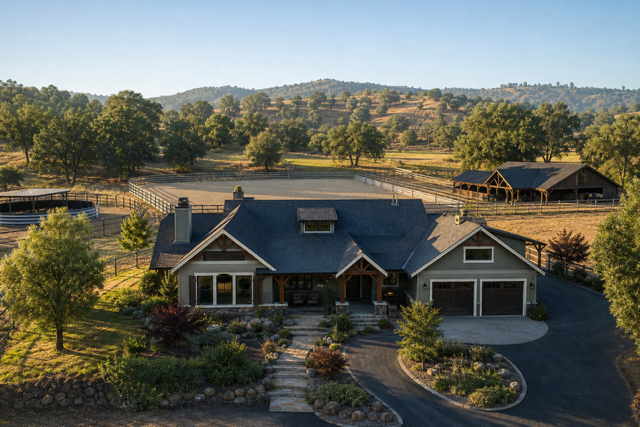
In Sacramento County, you need at least 20,000 square feet (roughly half an acre) to keep horses for personal use, and at least three acres if you plan to board, train, or run any commercial stable operation. In practice, most buyers who want a functional setup with a barn, turnout area, and riding space are looking at one to three or more acres, and many expand their search into Placer, El Dorado, or Yolo counties for rolling terrain and larger parcels. The four-county Sacramento region averaged $698,000 on sold properties in July 2026, with a sold-to-list ratio near 98%, so well-priced horse-ready acreage is still moving close to asking. Key Takeaways Sacramento County requires a minimum of 20,000 square feet to keep horses for personal use, and three acres for any commercial or public stable operation. The four-county Sacramento region (Sacramento, Placer, El Dorado, Yolo) averaged $698,000 on sold properties in July 2026, with homes selling at roughly 98% of original list price. AR-zoned parcels in unincorporated Sacramento County, like AR-10, explicitly allow horses and stables, making zoning verification one of the first steps in any equestrian property search. Average days on market rose to 40 days in the four-county region as of July 2026, giving buyers slightly more time to conduct thorough due diligence on wells, septic, fencing, and access easements. Buyers planning to board horses or offer lessons cross into the commercial stable category under county zoning rules, which requires more land and potentially different permitting than a private setup. How does Sacramento-area zoning actually work for horse properties? Zoning is the first thing I look at with any equestrian buyer, because it determines not just whether you can keep horses on a parcel, but how many, what kind of facilities you can build, and whether you can ever run a boarding or training operation down the road. What's the minimum lot size to keep horses in Sacramento County? For personal use, the threshold is 20,000 square feet , just under half an acre. According to the Sacramento County Code Enforcement FAQ , horses for personal use are allowed on parcels larger than 20,000 square feet in most zones, with the exception of multifamily and certain RM-2 zones. The county also notes that residents may keep as many horses as they can maintain in a healthy, sanitary, and nuisance-free condition, as long as that minimum lot size is met and the horse keeping is incidental to permitted residential use. That said, 20,000 square feet is a legal floor, not a practical one. I always tell buyers that if you want a real turnout area, a barn with stalls, and any kind of riding space, you're going to want significantly more than the bare minimum. Most functional private setups start at one acre and go up from there. What's the difference between private and commercial stables in county zoning? Private stables require the 20,000-square-foot minimum; commercial or public stables require at least three acres. The Sacramento County Zoning Code, Chapter 3 draws a clear line between the two categories. The moment you start boarding horses for others, offering lessons, or hosting events, you move from the private category into the commercial/public stable category, and that triggers the three-acre minimum along with potentially different permitting and scrutiny. This is one of the most important distinctions I walk my equestrian clients through early in the process. If your long-term vision includes any income from the property, even a few board horses to offset costs, you need to be looking at three-plus-acre parcels from the start, not planning to expand into that use later on a smaller lot. Are there specific zones or overlay areas built for equestrian use? Yes. AR zoning (Agricultural-Residential) in unincorporated Sacramento County is the most common designation buyers encounter on horse-capable listings. A parcel like 9472 Rogers Rd in Sacramento, AR-10 zoned, 3.28 acres, illustrates exactly how this works in practice: the zoning explicitly allows horses and public or commercial stables, and the acreage supports paddocks, a barn, and a riding area. Within city limits, the City of Sacramento Municipal Code identifies specific areas, including Valley View Acres and the Ascot Avenue overlay zone , where livestock rules are tailored for larger parcels. These micro-neighborhoods have a cultural and legal history of horse keeping that makes them more normalized for equestrian use than standard residential areas. Buyers who want more acreage, more terrain variety, and a wider selection of horse-ready parcels often expand into Placer, El Dorado, and Yolo counties. The foothill areas around Auburn, Meadow Vista, Newcastle, and Penryn, where I focus a significant part of my practice, offer oak woodland properties, larger rural lots, and an established equestrian community that's harder to find closer to the city core. What does the Sacramento market look like for equestrian buyers right now? The broader market context matters here, because horse properties don't exist in a vacuum. Here's what the numbers show as of mid-2026. For the four-county Sacramento region (Sacramento, Placer, El Dorado, Yolo), July 2026 data shows an average sold price of $698,000, up 2% from June and essentially flat year-over-year. Sales volume was down about 8.7% month-over-month, which aligns with a broader California pattern, the California Association of REALTORS® July 2026 report shows statewide existing single-family home sales were down 6% from June as well. Average days on market in the four-county region rose to 40 days in July, the first increase in four months. For Sacramento County specifically, the most recent July 2026 snapshot shows a median sold price of $528,000 on single-family homes, with an average sold price of $588,000, up about 1.2% year-over-year. Recent local market data across the broader area puts the median sale price near $490,000 with a median of just 9 days on market, though that figure reflects the full market including standard residential sales, not just acreage.
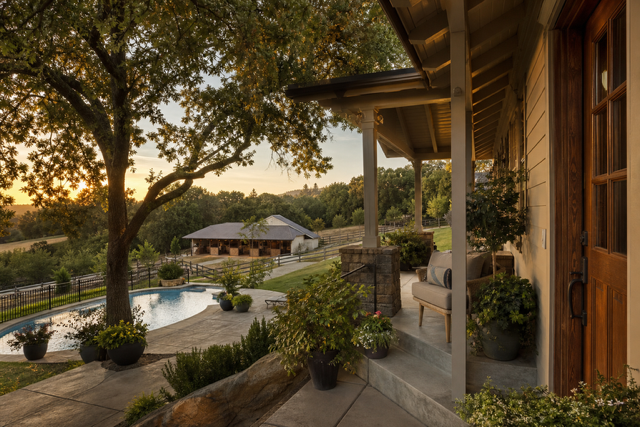
Auburn and the surrounding Sierra Foothill communities, Loomis, Penryn, Newcastle, and Grass Valley, form one of Northern California's most established equestrian corridors. Buyers here get usable acreage with Residential-Agricultural zoning, access to gated communities with private riding trails, a deep boarding and training ecosystem, and commute times to Sacramento that often run under 45 minutes. It's the rare combination of working horse property and practical daily life. Key Takeaways Recent local market data shows a median sale price of $514,000 across the broader Sacramento region, with a median of just 7 days on market, equestrian properties with acreage typically price well above that regional median. Placer County's Horseshoe Bar/Penryn Community Plan area carries Rural Estate 4.6–20 acre minimum land-use designations with RA-B-X zoning, the framework under which most small ranch and horse properties in Loomis, Penryn, and Newcastle sit. Auburn Lake Trails in Cool offers a gated equestrian community with extensive private riding and hiking trails, boarding facilities, and half-acre to multi-acre lots, about 20 minutes from Auburn. Grass Valley and Nevada County regularly feature 40- to 80-acre legacy equestrian ranches with multiple residences, large outdoor arenas, and covered training facilities, a different scale than the Placer County corridor. Zoning due diligence is critical: whether a parcel explicitly allows boarding, training, or commercial equestrian use depends on specific zoning designations and any Agriculture (-Ag) combining districts, not just lot size. How does the Auburn-area equestrian market actually work, and what does it look like on the ground? I've walked a lot of horse properties in this region, and the first thing I tell every buyer is this: the Sierra Foothills aren't just a place to keep horses. They're built around them. The Placer County foothill corridor, Auburn, North Auburn, Loomis, Penryn, Newcastle, and the Horseshoe Bar area, has grown into a genuine equestrian submarket. You'll find gated communities with private trail systems, parcels zoned specifically to support equestrian facilities, and a concentration of veterinary, boarding, and training services that makes the horse lifestyle genuinely sustainable here, not just aspirational. What's the zoning picture in Loomis, Penryn, and Newcastle? Zoning is where the rubber meets the road on a horse property purchase, and this corridor has a well-defined framework. According to Placer County planning documents, the Horseshoe Bar/Penryn Community Plan area uses a Rural Estate 4.6–20 acre minimum land-use designation paired with RA-B-X zoning (Residential-Agricultural with a 4.6-acre minimum). That's the designation under which most small ranch and horse properties in this corridor sit. What's equally telling is what Placer County is doing with parcels that weren't already set up for horses. In the same planning area, parcels zoned Neighborhood Commercial (C1-Dc) are being actively rezoned to add an Agriculture (-Ag) combining district, specifically to allow equestrian facilities and uses. The county isn't just tolerating horses here. It's planning around them. For buyers, this means two things. First, expect multi-acre parcels when you're shopping in the Loomis, Penryn, and Newcastle area with equestrian intent. Second, always verify the specific zoning and any combining districts on a given parcel before you assume boarding, training, or any semi-commercial equestrian use is permitted. Lot size alone doesn't tell the whole story. Gated equestrian communities worth knowing If you want trail access right out your back gate, North Auburn has you covered. Sierra Foothill Estates and Sierra Estates are gated communities that attract horse owners who want the prestige of a managed community alongside genuine equestrian infrastructure. These aren't just large-lot subdivisions with a horse-friendly HOA, they're built with the lifestyle in mind. About 20 minutes from Auburn, Auburn Lake Trails in Cool is a gated equestrian community named for its network of hiking and riding trails. It offers boarding facilities, a golf course, multiple pools, sports courts, a campground, and ponds and parks, with many homes on half-acre to multi-acre lots that include equestrian stables. It's a strong option for buyers willing to trade a few extra minutes of commute for a full-service equestrian community feel. The Northwest Horse Source has covered this community as a destination for serious horse enthusiasts, and it consistently comes up in my conversations with buyers who want trails, not just turnout. How does Grass Valley compare, and when does it make more sense? Grass Valley and broader Nevada County are a different animal entirely (pun intended). Where Placer County's foothill corridor tends toward 5–20 acre parcels with commuter-friendly proximity to Sacramento, Nevada County regularly delivers 40- to 80-acre legacy equestrian ranches. We're talking multiple residences, two or more barns, large outdoor arenas running 150 feet by 300 feet, covered arenas with premium footing for disciplines like reining, covered round pens, hay barns, shops, and free-flow horse exercisers. According to listings tracked on HorseProperties.net, this scale of property is a real part of the Nevada County market. The boarding and training infrastructure in Grass Valley is deep. That gives Sacramento-area buyers an interesting option: own land in Auburn or Loomis for the commute convenience, and board or compete in Grass Valley. Or go all-in on Nevada County if the operation itself is the priority and commute time is secondary. I work with buyers across both corridors, and the honest answer is that the right fit depends on your discipline, your operation size, and how often you need to be in Sacramento. That's a conversation worth having before you start touring properties.
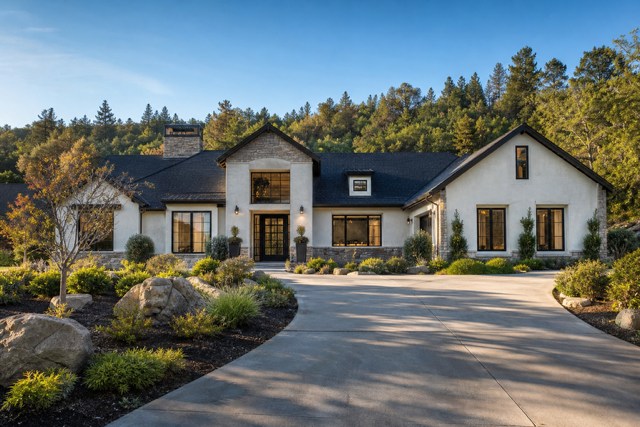
Yes, but with important nuance. As of mid-2026, Sacramento sits at roughly 2.8 months of supply compared to 3.9 months nationally, which keeps conditions seller-leaning. The area-level median sale price is around $585,000, and homes are moving in 20 to 26 days on average. The catch: according to a Redfin national market report from September 2026, approximately 57% of Sacramento-area homes are selling below list price. A seller's market does not mean automatic over-ask results. It means the conditions favor a well-prepared seller who prices and presents strategically. Key Takeaways Sacramento's mid-2026 supply of roughly 2.8 months signals seller-leaning conditions, well below the 4-to-6-month balanced-market benchmark used by the real estate industry. The area-level median sale price is approximately $585,000 as of mid-2026, with Midtown Sacramento reaching a median of around $782,000, up 18.2% year over year. About 57% of Sacramento-area homes are selling below list price in 2026, which means luxury sellers cannot rely on bidding wars and must prioritize precision pricing. The 30-year fixed mortgage rate was running around 6.67% in August 2026, shaping what luxury buyers can and will pay, even at the high end. Luxury sellers listing in fall 2026 face fewer casual buyers but more motivated, qualified ones, strong marketing and flexible terms matter more this time of year. What does the Sacramento luxury market actually look like right now? I work with sellers across Auburn, Newcastle, Penryn, and into the greater Sacramento region, and the question I hear most in 2026 is some version of: "The market is good, right? So I should get my price?" The honest answer is: it depends on what you mean by "your price." Sacramento's market is genuinely competitive. Redfin's Sacramento city housing-market data, updated September 9, 2026, shows homes receiving about three offers on average and selling in roughly 20 days, with a median sale price around $515,000 over the most recent three months. At the county level, Sacramento County's Redfin snapshot puts the median closer to $532,000, with days on market around 26. But here's where luxury sellers need to pay attention. A mid-2026 regional review from Hoodline notes that only about 28.4% of homes sold above list price, while the broader Redfin national report puts the share of homes selling below list at over 57%. That's not a buyer's market. It's a market where the seller's leverage is real, but it's not automatic. You have to earn it. Where luxury price points are showing up in Sacramento "Luxury" in Sacramento doesn't always mean what it means in San Francisco. Depending on the neighborhood, you can enter luxury territory anywhere from the high $700s to well above $1 million. Midtown Sacramento's median sale price sits around $782,000 as of September 2026, up approximately 18.2% year over year, and larger or renovated homes in that corridor push considerably higher. East Sacramento's "Fab 40s", those historic, tree-lined streets near downtown, regularly command premiums based on lot size, architectural character, and location. Land Park and Pocket/Greenhaven attract buyers seeking larger lots near the Sacramento River. The point is that luxury in this market is neighborhood-specific. A general county median tells you the floor. What actually drives your price is the story your specific property tells in its specific location.
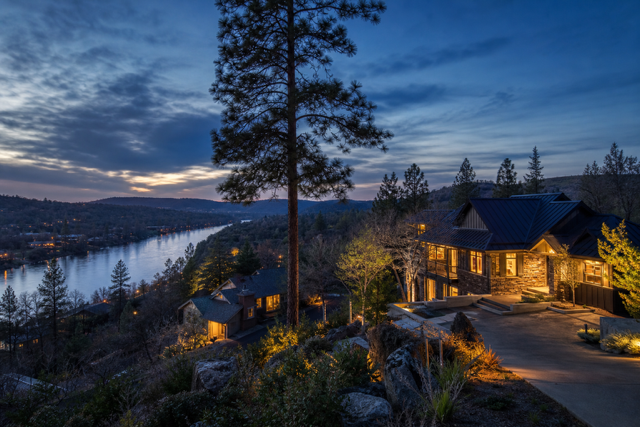
In Sacramento's 2026 market, luxury home pricing comes down to one principle: anchor to what the market is actually doing right now, not what it did at the peak. With inventory up, days on market rising, and buyers better-prepared and less impulsive than they were two years ago, the homes that sell well are the ones priced to compete from day one, not the ones that start high and chase the market down with reductions. Key Takeaways Sacramento County's median sale price was approximately $540,000 in July 2026, a 3.6% decline year-over-year, with average days on market rising to 38 days, up from 32 the prior month. Active listings in Sacramento County reached 2,365 homes in July 2026, representing about 2.4 months of supply, a meaningful shift toward a more balanced market after years of extreme seller conditions. Despite softening, 46% of Sacramento County transactions in July 2026 still involved multiple offers, and the sale-to-list ratio held at 98.5%, well-priced homes are still performing. Luxury homes that sit past the 30-to-45-day mark in this market typically require visible price reductions that erode perceived value and invite lowball offers. Sacramento's luxury threshold in 2026 generally starts in the high-$800,000s to low-$900,000s, and pricing strategy at that tier is fundamentally different from the median-market playbook. What does Sacramento's 2026 market actually look like for luxury sellers? Let me give you the honest picture, because I think a lot of luxury sellers are still operating on 2022 assumptions, and that's an expensive mindset in this environment. Recent local market data shows a median sale price of $520,000 across the Sacramento area, with 1,478 active listings and homes moving at a median of 12 days on market for the broader market. That sounds healthy. But the luxury tier tells a more nuanced story. According to a July 2026 Sacramento Bee report , median home sale prices in Sacramento County rose 4.7% to $575,000 in June 2026 compared to June 2025, but local experts in that same report flagged shifting buyer behavior and month-to-month volatility as real headwinds. Then in July 2026, the pendulum swung: a mid-year market review published in August 2026 reported a median sale price of about $584,700, down 0.8% year-over-year, with median days on market at 33.1 days and only about one-third of homes selling within two weeks. The August 2026 Sacramento County housing report using July 2026 data paints an even clearer picture of the shift: median price at $540,000, a 6.5% drop from June and a 3.6% decline from July 2025. Average days on market climbed to 38 days. Active listings hit 2,365, up nearly 6% month-over-month. Supply reached 2.4 months. That's not a crash. But it's not a seller's free-for-all either. And at the luxury level, those signals matter more, not less. The luxury threshold in Sacramento In Sacramento's 2026 market, local agents generally treat the top 10% of the market by price as the luxury segment. That typically means homes starting in the high-$800,000s to low-$900,000s, ranging upward past $2 million depending on the neighborhood. East Sacramento, Land Park, Sierra Oaks, Arden Park, and Wilhaggin are the established luxury pockets within the city. Folsom and El Dorado Hills compete for the same buyer pool in the broader region, which means your pricing strategy has to account for what's available regionally, not just on your block. What the data says about sale-to-list ratios Here's the number I want you to hold onto: even with softening conditions, the August 2026 Sacramento County market report from Realtor.com characterizes the county as a seller's market, with homes selling at approximately 100% of asking price on average. The July 2026 data from the county report showed a 98.5% sale-to-list ratio, with 46% of transactions still drawing multiple offers. Translation: appropriately priced homes are still performing. The penalty is for overpriced homes, and at the luxury level, that penalty arrives faster and hits harder.
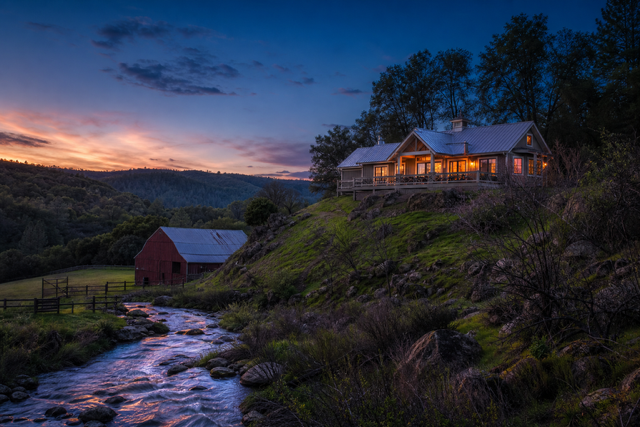
Auburn homes occupy a category of their own in the greater Sacramento market. You get the character of a Gold Rush-era foothill town, genuine acreage lots, and a commute corridor that still connects you to Sacramento, all in a market that has consistently priced above the county median. According to Redfin's Auburn market data, the median sale price over the three months ending July 2026 was $587K, while Sacramento County as a whole came in at $532K for the same window. That $55K premium reflects something real, the land, the setting, and the scarcity of what Auburn actually offers. Key Takeaways Auburn's median sale price was $587K for the three months ending July 2026, roughly $55K above the Sacramento County median of $532K for the same period. Homes in Auburn sold in a median of 24 days as of July 2026, slightly faster than the county's 26-day median, a sign of consistent demand in a lower-inventory foothill market. Sales volume is rising: 51 homes sold in Auburn in July 2026, up from 45 the same month a year earlier, per Redfin. Auburn's median price per square foot was $323 as of July 2026, up 0.9% year over year even as the overall median price dipped slightly. The property profile in Auburn, historic homes, acreage lots, equestrian-zoned parcels, is simply not available at this price point closer to Sacramento's urban core. What does the Auburn housing market actually look like right now? The short answer: competitive, but not frenzied. Auburn moves faster than most buyers expect for a foothill community. Recent local market data shows a median of 12 days on market across the broader Sacramento region, but Auburn's own city-level data from Redfin puts the median at 24 days, which still means well-priced homes are not sitting. The median price per square foot hit $323 in July 2026, up 0.9% year over year, even as the overall median sale price edged down 2.2% from a year earlier. That split tells an interesting story: buyers are choosing larger homes when they can get them, which pulls the median price up in some windows. A local market report based on Redfin data noted that the three months ending May 2026 showed a median of $669,599, a spike directly tied to a shift toward larger transactions in that window. I walk buyers through this context before we ever write an offer. The headline number shifts quarter to quarter depending on what mix of properties closed. What matters more is whether the specific property you're targeting, a Victorian on a half-acre, a newer build with a barn, a ridge-top view lot, is priced correctly for its own category. That requires knowing Auburn's submarkets, not just the city-level median.
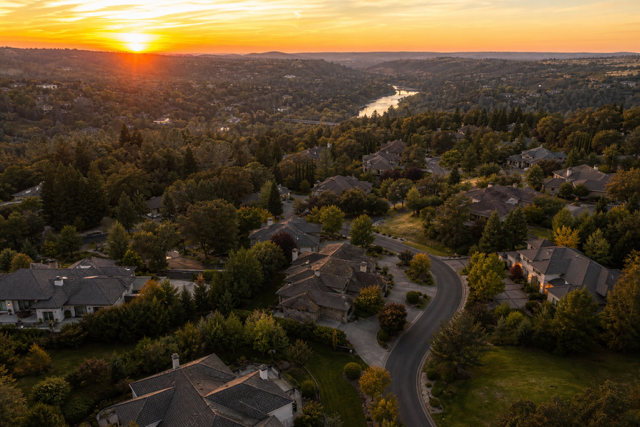
Yes, and for the right buyer, it's one of the most strategic moves in the greater Sacramento region right now. Loomis sits in a premium price tier well above Sacramento County's median, but what you get for that price is a quieter lifestyle, better finishes, and more privacy than almost any comparable square footage closer to the city. For sellers coming out of a large, maintenance-heavy home, trading volume for quality per square foot is a move that pays off in daily life, not just on paper. Key Takeaways Loomis median home values sit near $1 million as of mid-2026, compared to Sacramento County's median sale price of approximately $532,000, making Loomis roughly 70–80% higher in both median price and price per square foot. According to Redfin, Loomis' median sale price per square foot is around $419, up 12.3% year-over-year, meaning buyers are paying more for the space they get, and getting more for it in quality. CA Housing Market News reported that Loomis' median price surged 26% past $799,000 in a prior period, driven by demand for larger, more luxurious properties rather than just location premiums. California's Prop 19 may allow eligible older homeowners to transfer their existing property tax base to a new Loomis home under certain conditions, worth confirming with the Placer County Assessor before you list. Loomis luxury homes typically include single-story layouts, premium construction, and low-maintenance outdoor spaces, the features downsizers consistently ask me about first. What does "downsizing to luxury" actually look like in Loomis? Here's the honest version of what I tell clients who are considering this move: you're not giving something up. You're making a deliberate trade. Most of my downsizing clients are coming out of a large Sacramento or Roseville home, four bedrooms, a three-car garage, a yard they haven't fully used in years. The home served a purpose when it was full of kids and activity. Now it's full of maintenance. The trade they're making in Loomis is fewer total square feet in exchange for far better quality per square foot, more privacy, and a pace of life that actually fits where they are now. What that looks like on the ground in Loomis: Single-story custom or semi-custom homes with open layouts, primary suites on the main level, and finishes that feel like a full renovation, because they often are one. Luxury ranchette properties with modest interior square footage but exceptional outdoor living: covered patios, mature landscaping, views, and the kind of quiet you can't buy in a subdivision closer to the freeway. Gated or low-density neighborhoods where the lots are generous, the neighbors are few, and the construction quality is genuinely higher than what you'll find at comparable price points in Rocklin or Roseville. The Loomis market data backs this up. According to CA Housing Market News, Loomis' median price surged 26% past $799,000 in a prior period, driven by demand for larger, more luxurious properties, but price per square foot rose only about 4% in the same window. That gap tells you something important: buyers aren't just paying for land or location. They're paying for the product itself. More recent data from Redfin shows Loomis' median sale price per square foot around $419, up 12.3% year-over-year. And multiple sources, including Trulia and Realtor.com, place the citywide median near $959,000 to $1,000,000 as of mid-2026. That's the market you're buying into. How Loomis compares to the broader Sacramento region The contrast with the surrounding market is significant, and it matters for how you think about this move.
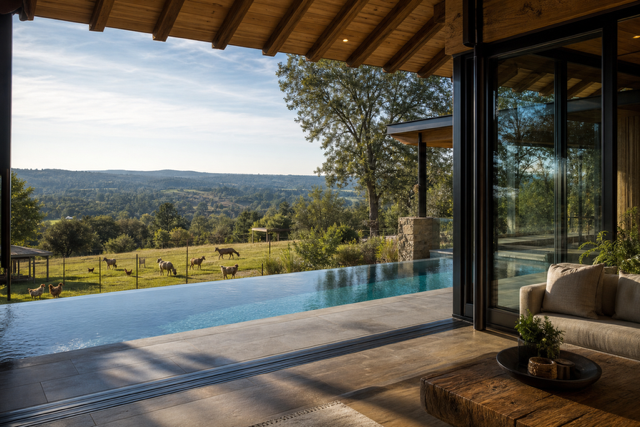
Newcastle is one of the most compelling moves a Sacramento-area buyer can make when they're done with traffic, noise, and postage-stamp lots. It's an unincorporated Placer County community roughly 35 miles northeast of Sacramento, set in the Sierra Nevada foothills, with oak-studded acreage, fruit orchards, and the kind of quiet that genuinely resets your nervous system. You still have Highway 80 access when you need the city, but the default setting is serene. Key Takeaways Newcastle is in Placer County, not Sacramento County, so all assessor, tax, and escrow processes run through Placer County offices. Recent local market data shows a Sacramento-area median sale price of $490,000, with homes moving in a median of 10 days, reflecting a competitive regional market. Sacramento County's median sale price was $532,438 in July 2026, according to Redfin's Sacramento County housing market report, giving city buyers a useful benchmark when comparing to Newcastle's foothills value. Newcastle tax-rate areas carry a total net tax rate of 1.051625% in Placer County's 2025/26 rate tables, and your assessed value resets to purchase price when you buy. Placer County's supplemental tax notice typically arrives 6 to 12 months after closing, so budget for that bill before you move in. What does the shift from Sacramento city life to Newcastle actually feel like? I've helped a lot of buyers make this exact move, and the pattern is consistent. They start the conversation saying they want "more space." By the time we're walking a property with a half-acre of orchard and a view of the foothills, they realize they wanted a completely different life. Newcastle sits in the heart of Placer County's fruit belt. The area has a long history of citrus and stone-fruit farming, and many properties still have mature trees on them. That's not a marketing line. It's the actual landscape you'd be waking up to. The commute reality is also better than most city buyers expect. Highway 80 puts you at the Sacramento city limits in roughly 35 to 40 minutes under normal conditions, and the Rocklin and Roseville corridors are even closer. So if you're not fully remote but want out of the urban core, Newcastle is a legitimate option rather than a compromise. What the current market looks like for Newcastle buyers The Sacramento region's inventory has been tight relative to national averages. Realtor.com's June 2026 Sacramento local market report described inventory as tighter than the national market, with a Sacramento median list price of $629,500 that month. That urban pricing pressure is part of what's pushing buyers to look at outlying communities like Newcastle in the first place. Recent local market data for the broader Sacramento area shows a median sale price of $490,000 and a median of just 10 days on market, with 1,490 active listings and 590 new listings in the past 30 days. That pace means well-priced Newcastle properties move fast. Your specific number depends on lot size, condition, proximity to amenities, and whether the property has any agricultural or equestrian infrastructure. That's where a current comparative market analysis matters, and it's something I run for every buyer I work with before we make an offer. Newcastle versus staying in Sacramento: a quick comparison