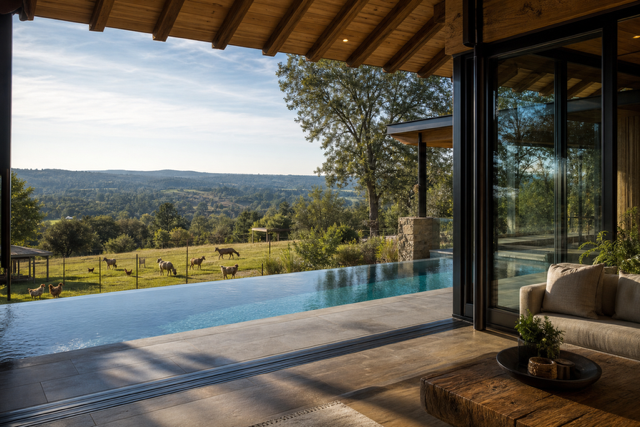


How to Sell a Home With Acreage in Auburn, CA (Without Undervaluing the Land)

Selling a home with acreage in Auburn, California is very different from selling a typical suburban home.
Many properties in Auburn, Loomis, Penryn, Newcastle, Meadow Vista, and Grass Valley include unique features such as:
- usable land
- horse facilities
- ponds
- wells
- irrigation access
- barns or shops
- long driveways and privacy
Because of this, pricing and marketing these properties requires a strategy that goes beyond standard real estate practices.
If you’re thinking about selling a home with acreage in the Auburn area, here are some important things to understand before putting your property on the market.
Acreage Homes Are Valued Differently
Most online home value tools struggle to estimate rural property value accurately.
That’s because acreage properties have variables that typical homes don’t, including:
- usable vs unusable land
- wells and water production
- irrigation districts like NID or PCWA
- barns and horse amenities
- views and privacy
- pasture usability
- agricultural potential
Two properties with the same square footage can vary dramatically in value depending on how the land functions.
For example, a property with:
- strong well production
- irrigation access
- usable pasture
may attract buyers who specifically want a horse property or lifestyle estate.
These buyers often value the land as much as the house itself.
The Biggest Mistake Sellers Make With Land Properties
One of the most common mistakes is pricing the home based only on nearby home sales.
Many comparable sales do not account for:
- land usability
- water features
- horse facilities
- outbuildings
- irrigation access
This can cause a property to be either:
- undervalued, leaving money on the table
- overpriced, causing the listing to sit on the market
A thoughtful pricing strategy considers both the home and the lifestyle the land provides.
Buyers of Acreage Properties Are Different
The typical buyer looking for land in the Auburn area is not searching for a standard home.
They may be looking for:
- horse property
- space for animals
- room for gardens or orchards
- privacy and views
- land for hobbies or equipment
Water is also a major factor.
Buyers often want to understand:
- well production (GPM)
- irrigation access from NID or PCWA
- water storage tanks
- ponds or water features
These elements can influence both buyer interest and property value.
What Sellers Should Fix Before Listing
Many sellers assume they must fully renovate their home before selling.
In reality, rural buyers often care more about land function than interior updates.
Instead of major renovations, focus on:
- clearing overgrown areas
- repairing obvious safety issues
- organizing barns or outbuildings
- improving driveway access
- highlighting usable land areas
Simple improvements that make the property easier to understand often provide the best return.
Marketing the Lifestyle of the Property
Acreage homes sell best when the marketing highlights the lifestyle the property offers.
That might include:
- equestrian living
- gardening or small agriculture
- rural privacy
- outdoor recreation
- land stewardship
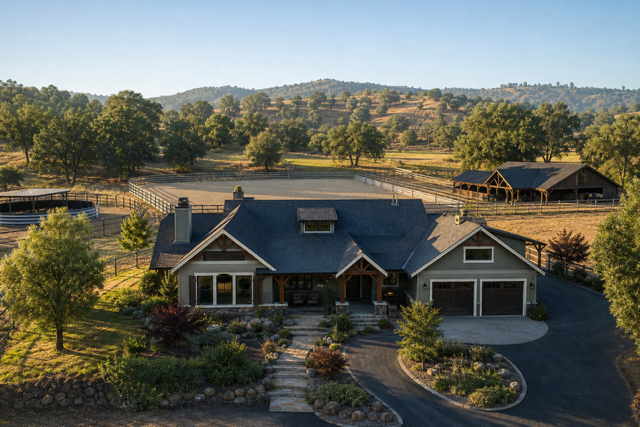
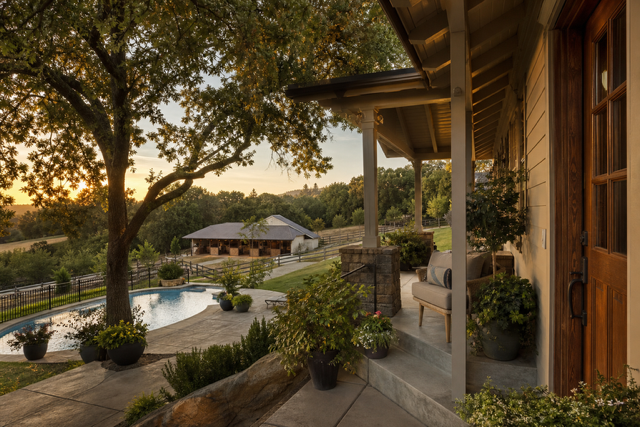
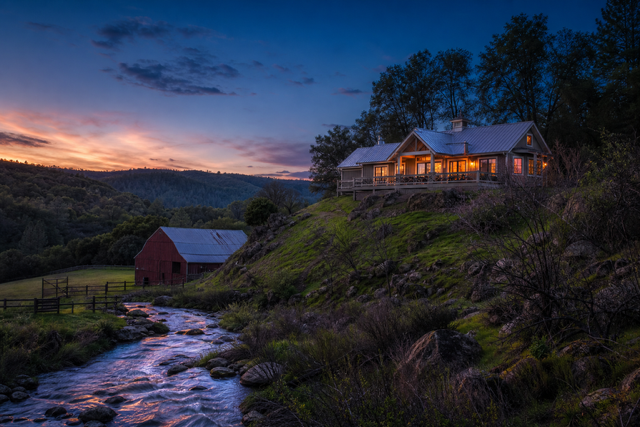
Photos and videos should show not just the house, but also:
- the land layout
- pasture areas
- barns and horse facilities
- ponds or water features
- views and outdoor spaces
This helps buyers imagine how the property fits their lifestyle.
A Real Example
I recently spoke with a homeowner who had lived on their acreage property for more than 30 years.
They loved the land, but maintaining it had become overwhelming.
The property included:
- several acres
- mature trees
- usable pasture
- a small pond
Their biggest concern was that buyers wouldn’t understand the value of the land.
But when the property was presented as a lifestyle opportunity, the right buyers quickly recognized its potential.
That’s often the key with rural properties: connecting the property to the lifestyle it supports.
When Is the Right Time to Sell?
Many owners of rural properties eventually reach a point where maintaining the land becomes too much work.
Common reasons include:
- retirement
- downsizing
- moving closer to family
- health or mobility changes
Selling a property with acreage doesn’t mean giving up the lifestyle you built — it often means passing that lifestyle to the next owner who will appreciate it.
Frequently Asked Questions
Is it harder to sell a home with acreage?
Not necessarily. The key is attracting buyers who specifically want land and rural living.
Do I need to fix everything before selling?
Usually no. Many buyers expect some imperfections in rural properties. Strategic improvements are often more effective than full renovations.
Does well production affect property value?
Yes. Buyers frequently consider water availability when evaluating properties with acreage.
Are horse properties harder to sell?
Horse properties can actually attract highly motivated buyers when marketed to the right audience.
How long do acreage homes take to sell?
Unique properties sometimes take longer to sell than suburban homes, but the right pricing and marketing strategy can significantly improve the timeline.
Final Thoughts
Homes with acreage in Auburn, Loomis, Penryn, Newcastle, Meadow Vista, and Grass Valley offer a lifestyle many buyers actively seek.
When these properties are priced correctly and marketed around the lifestyle they provide, they often attract buyers who truly value what makes them special.
If you’re considering selling a property with land, taking the time to understand how buyers evaluate acreage homes can make a significant difference in the outcome.
Author
Lori McIntosh specializes in rural luxury homes, horse properties, and acreage estates in Auburn, Loomis, Penryn, Newcastle, Meadow Vista, and Grass Valley.
Living on rural land personally, she understands firsthand the work, value, and lifestyle these properties represent.