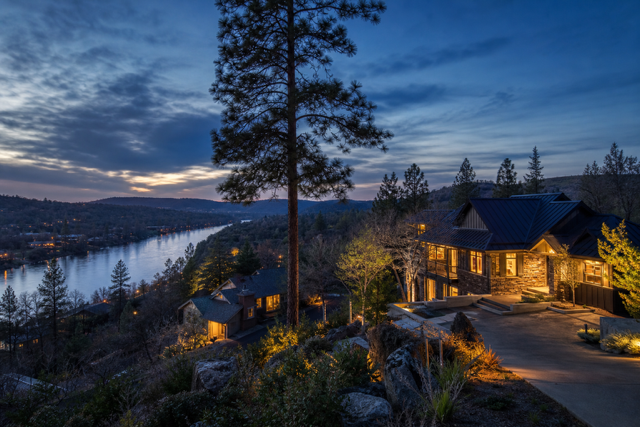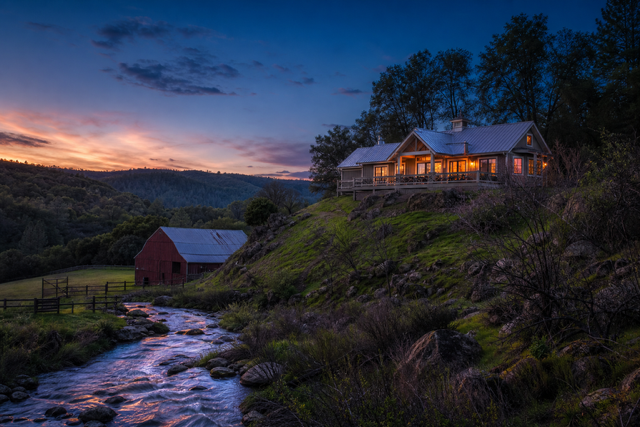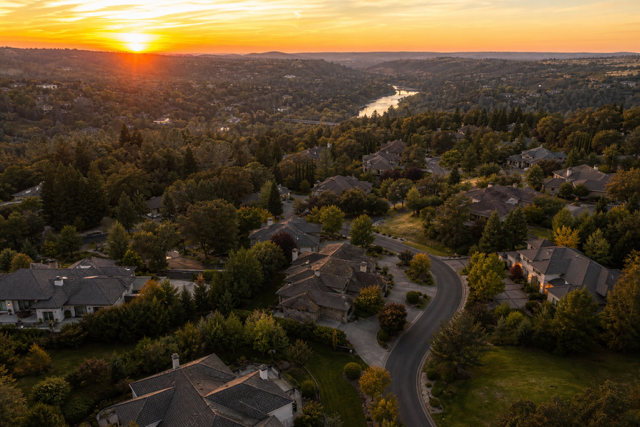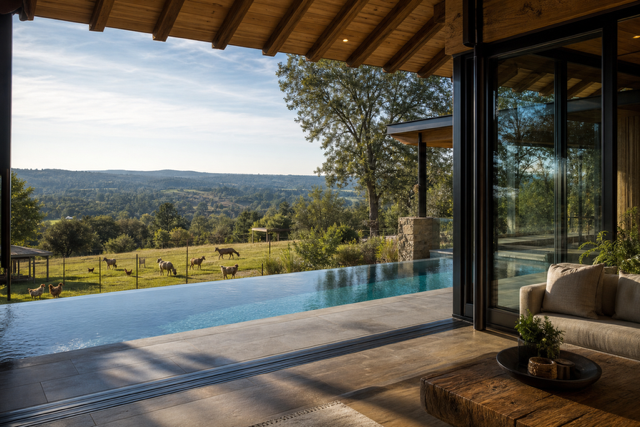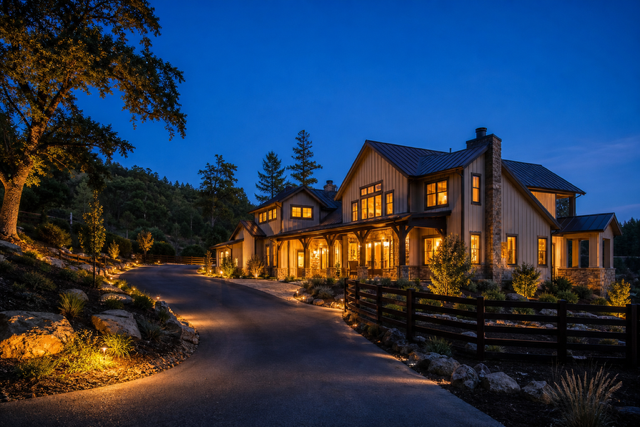


What makes Auburn and the Sierra Foothills a top destination for equestrian property buyers?
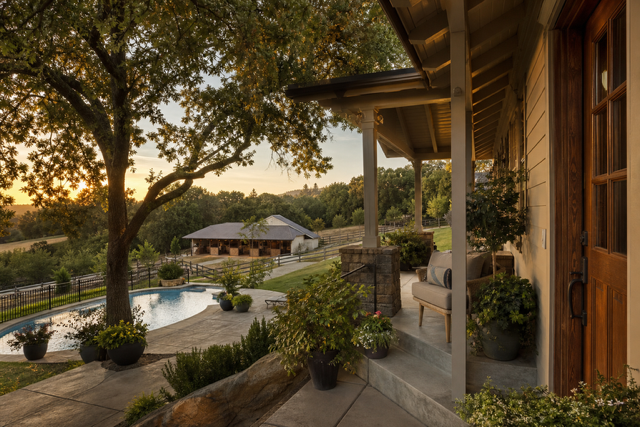
Auburn and the surrounding Sierra Foothill communities, Loomis, Penryn, Newcastle, and Grass Valley, form one of Northern California's most established equestrian corridors. Buyers here get usable acreage with Residential-Agricultural zoning, access to gated communities with private riding trails, a deep boarding and training ecosystem, and commute times to Sacramento that often run under 45 minutes. It's the rare combination of working horse property and practical daily life.
Key Takeaways
- Recent local market data shows a median sale price of $514,000 across the broader Sacramento region, with a median of just 7 days on market, equestrian properties with acreage typically price well above that regional median.
- Placer County's Horseshoe Bar/Penryn Community Plan area carries Rural Estate 4.6–20 acre minimum land-use designations with RA-B-X zoning, the framework under which most small ranch and horse properties in Loomis, Penryn, and Newcastle sit.
- Auburn Lake Trails in Cool offers a gated equestrian community with extensive private riding and hiking trails, boarding facilities, and half-acre to multi-acre lots, about 20 minutes from Auburn.
- Grass Valley and Nevada County regularly feature 40- to 80-acre legacy equestrian ranches with multiple residences, large outdoor arenas, and covered training facilities, a different scale than the Placer County corridor.
- Zoning due diligence is critical: whether a parcel explicitly allows boarding, training, or commercial equestrian use depends on specific zoning designations and any Agriculture (-Ag) combining districts, not just lot size.
How does the Auburn-area equestrian market actually work, and what does it look like on the ground?
I've walked a lot of horse properties in this region, and the first thing I tell every buyer is this: the Sierra Foothills aren't just a place to keep horses. They're built around them.
The Placer County foothill corridor, Auburn, North Auburn, Loomis, Penryn, Newcastle, and the Horseshoe Bar area, has grown into a genuine equestrian submarket. You'll find gated communities with private trail systems, parcels zoned specifically to support equestrian facilities, and a concentration of veterinary, boarding, and training services that makes the horse lifestyle genuinely sustainable here, not just aspirational.
What's the zoning picture in Loomis, Penryn, and Newcastle?
Zoning is where the rubber meets the road on a horse property purchase, and this corridor has a well-defined framework. According to Placer County planning documents, the Horseshoe Bar/Penryn Community Plan area uses a Rural Estate 4.6–20 acre minimum land-use designation paired with RA-B-X zoning (Residential-Agricultural with a 4.6-acre minimum). That's the designation under which most small ranch and horse properties in this corridor sit.
What's equally telling is what Placer County is doing with parcels that weren't already set up for horses. In the same planning area, parcels zoned Neighborhood Commercial (C1-Dc) are being actively rezoned to add an Agriculture (-Ag) combining district, specifically to allow equestrian facilities and uses. The county isn't just tolerating horses here. It's planning around them.
For buyers, this means two things. First, expect multi-acre parcels when you're shopping in the Loomis, Penryn, and Newcastle area with equestrian intent. Second, always verify the specific zoning and any combining districts on a given parcel before you assume boarding, training, or any semi-commercial equestrian use is permitted. Lot size alone doesn't tell the whole story.
Gated equestrian communities worth knowing
If you want trail access right out your back gate, North Auburn has you covered. Sierra Foothill Estates and Sierra Estates are gated communities that attract horse owners who want the prestige of a managed community alongside genuine equestrian infrastructure. These aren't just large-lot subdivisions with a horse-friendly HOA, they're built with the lifestyle in mind.
About 20 minutes from Auburn, Auburn Lake Trails in Cool is a gated equestrian community named for its network of hiking and riding trails. It offers boarding facilities, a golf course, multiple pools, sports courts, a campground, and ponds and parks, with many homes on half-acre to multi-acre lots that include equestrian stables. It's a strong option for buyers willing to trade a few extra minutes of commute for a full-service equestrian community feel. The Northwest Horse Source has covered this community as a destination for serious horse enthusiasts, and it consistently comes up in my conversations with buyers who want trails, not just turnout.
How does Grass Valley compare, and when does it make more sense?
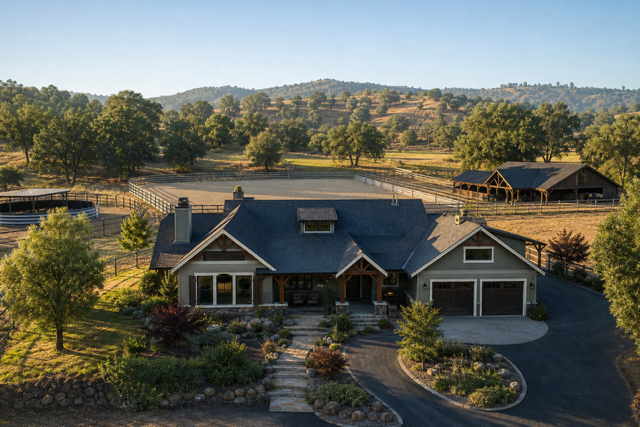
Grass Valley and broader Nevada County are a different animal entirely (pun intended). Where Placer County's foothill corridor tends toward 5–20 acre parcels with commuter-friendly proximity to Sacramento, Nevada County regularly delivers 40- to 80-acre legacy equestrian ranches. We're talking multiple residences, two or more barns, large outdoor arenas running 150 feet by 300 feet, covered arenas with premium footing for disciplines like reining, covered round pens, hay barns, shops, and free-flow horse exercisers. According to listings tracked on HorseProperties.net, this scale of property is a real part of the Nevada County market.
The boarding and training infrastructure in Grass Valley is deep. That gives Sacramento-area buyers an interesting option: own land in Auburn or Loomis for the commute convenience, and board or compete in Grass Valley. Or go all-in on Nevada County if the operation itself is the priority and commute time is secondary.
I work with buyers across both corridors, and the honest answer is that the right fit depends on your discipline, your operation size, and how often you need to be in Sacramento. That's a conversation worth having before you start touring properties.
| Area | Typical Parcel Scale | Key Equestrian Feature | Sacramento Commute |
|---|---|---|---|
| Auburn / North Auburn | 5–20+ acres | Gated communities, private trail systems | Under ~45 minutes |
| Loomis / Penryn / Newcastle | 4.6–20 acres (RA-B-X zoning) | RA-B-X and Rural Estate zoning corridor, equine medical cluster | 35–50 minutes |
| Auburn Lake Trails (Cool) | Half-acre to multi-acre | Gated community, private riding trails, boarding on-site | ~55–65 minutes |
| Grass Valley / Nevada County | 40–80+ acres | Legacy ranch estates, deep boarding and training ecosystem | 60–75 minutes |
These commute estimates are general guidance, your actual drive depends on your Sacramento destination and time of day. Verify with your own test drive before you commit.
Water, wells, and due diligence on foothill horse properties
Water is the conversation I have with every single buyer of a foothill horse property, without exception. Horses drink a lot, arenas need irrigation, and pasture rotation requires consistent moisture management. On rural acreage in Placer, Nevada, and El Dorado counties, that typically means a private well.
Before you make an offer on any horse property in this corridor, you want to know the well's depth, flow rate, recovery rate, and water quality. You also want to understand any water rights tied to the parcel, any shared-well agreements with neighboring parcels, and whether there's storage capacity (tanks, cisterns) for high-demand periods. The California State Water Resources Control Board maintains public records on water rights that can be a useful starting point.
This is exactly the kind of due diligence I walk my clients through before we write an offer. A property that looks right on paper can have a well that won't support the operation you're planning, and that's not a surprise you want after closing.
The Placer County and Nevada County planning and building departments are good resources for understanding what's permitted on a specific parcel, and I lean on those records regularly when I'm evaluating a property for a client.
What the broader market context looks like heading into fall 2026
Recent local market data for the Sacramento region shows a median sale price of $514,000 and a median of just 7 days on market, with 1,511 active listings and 577 new listings in the past 30 days. Equestrian properties with acreage price well above that regional median, you're not buying a tract home, you're buying infrastructure, but that same tight inventory dynamic applies. Well-configured horse properties in established equestrian corridors don't sit long when they're priced right.
According to the National Association of REALTORS®, rural and lifestyle properties have seen sustained demand from buyers relocating from higher-density metros, a trend that has been particularly visible in the Sacramento-adjacent foothill markets. The California Association of REALTORS® tracks regional sales data that can give you a current read on Placer and Nevada County specifically.
Every situation is different, and the only way to know what a specific property is worth, or what you can realistically expect to find in your price range, is to run the numbers with someone who knows this market. That's where a local market analysis becomes the most useful tool in the process.
Before the FAQ, I'd invite you to read what past clients have said about working with me on Google and Zillow.
Frequently Asked Questions
What makes Auburn and the Sierra Foothills better for horse properties than areas closer to Sacramento?
The foothill corridor delivers usable acreage with Residential-Agricultural zoning, established trail systems, and a concentrated equestrian community that simply doesn't exist closer to the urban core. Parcels in Loomis, Penryn, and Auburn regularly run 5 to 20-plus acres with zoning designed to support equestrian use, while Auburn's commute to Sacramento often runs under 45 minutes, giving buyers both the space their horses need and a practical daily life.
How many acres do I really need for a couple of horses, an arena, and pasture rotation in Auburn or Loomis?
There's no single answer, but most experienced horse property buyers in this corridor look for at least 5 acres as a practical starting point for two horses with an arena and basic pasture rotation, and many prefer 10 to 20 acres for flexibility and resale strength. The Placer County RA-B-X zoning framework sets a 4.6-acre minimum in much of the Horseshoe Bar/Penryn area, which gives you a sense of the baseline the market is built around. Your specific discipline, number of horses, and whether you plan to add infrastructure over time all factor in, and that's a conversation I have with every buyer before we start touring.
Are there gated communities with private riding trails near Auburn or Newcastle where I can ride out from my property?
Yes, Sierra Foothill Estates and Sierra Estates in North Auburn are gated communities with equestrian infrastructure, and Auburn Lake Trails in Cool (about 20 minutes from Auburn) is a gated community named for its network of private riding and hiking trails, with boarding facilities on-site and many homes featuring equestrian stables. These communities are a strong fit for buyers who want the security of a managed community alongside genuine trail access.
What's the difference between buying a horse property in Grass Valley versus Auburn or Loomis?
Scale and commute are the two biggest differences. Auburn and Loomis tend to offer 5–20 acre parcels with commuter-friendly Sacramento access, gated communities, and proximity to services. Grass Valley and Nevada County regularly deliver 40- to 80-acre legacy ranch estates with multiple residences, large covered arenas, and a deeper boarding and training ecosystem, but at a longer drive to Sacramento. Buyers who need to be in the city regularly tend to anchor in Placer County; buyers whose primary life revolves around the operation often look to Nevada County.
Can I keep horses on residential acreage in Penryn or Newcastle, or do I need special agricultural zoning?
In much of the Penryn and Horseshoe Bar corridor, the RA-B-X (Residential-Agricultural) zoning with Rural Estate designations already contemplates equestrian use for personal horses on appropriately sized parcels. Where it gets more nuanced is boarding, training, or any commercial equestrian activity, those uses may require an Agriculture (-Ag) combining district or a conditional use permit, and Placer County is actively adjusting zoning in parts of this corridor to accommodate exactly that. Always confirm the specific zoning, combining districts, and any use conditions on a parcel before assuming your planned operation is permitted.
Is it realistic to live on a horse property in Auburn or Newcastle and commute daily into Sacramento?
For many of my clients, yes, Auburn sits roughly 35 to 45 minutes from central Sacramento under normal conditions, and Newcastle and Penryn are in a similar range. It's not a short commute, but it's manageable for buyers who value the lifestyle trade-off. The key is doing a test drive at your actual commute time before you commit to a property, because foothill roads and I-80 conditions vary considerably by time of day and season.
If you're serious about finding the right horse property in Auburn, Loomis, Penryn, Newcastle, or Grass Valley, the next step is a real conversation about your operation, your timeline, and what the current inventory actually looks like. Book a strategy call with me here, or if you're also thinking about what your current property might be worth, request a free home valuation. I know this market, I know these communities, and I'll give you a straight answer.
About Lori McIntosh
Lori McIntosh is a REALTOR® (DRE 02122219) with GUIDE Real Estate specializing in luxury country homes and equestrian estates across Auburn, Meadow Vista, Newcastle, Rocklin, Lincoln, Penryn, and the Greater Sacramento region in Placer, Nevada, Sacramento, and El Dorado counties. With 30-plus years of sales experience and a background as an Occupational Therapist and Pharmaceutical Sales Rep, she brings particular expertise to 55-plus clients, seniors, and downsizers navigating smooth, low-stress transitions. Call or text her at 530-613-5644.
GUIDE Real Estate · (530)613-5644
Equal Housing Opportunity. Lori McIntosh, REALTOR® DRE 02122219, brokered by GUIDE Real Estate. This article is general information only and does not constitute legal, tax, or financial advice. Confirm all figures, zoning details, and costs with your escrow officer, tax advisor, lender, and the applicable county planning department.