

Living in Lincoln CA: Luxury Meets Historic Charm
Lincoln, CA blends modern master-planned luxury communities like Lincoln Crossing and Sun City Lincoln Hills with a preserved railroad-era downtown, all within commuting distance of Sacramento. Median sale prices in 2026 cluster in the low-to-mid $600,000s, offering upscale living at a compelling value compared to many Sacramento-area markets.
Is Lincoln, CA a good place for luxury living with a historic small-town feel?
Yes. Lincoln, California offers a genuinely rare combination: resort-style master-planned communities with modern finishes and HOA amenities on one end, and a walkable, brick-and-mortar historic downtown rooted in railroad and ceramics history on the other. Median sale prices in 2026 are clustering in the low-to-mid $600,000s, placing Lincoln well above older Sacramento suburbs while remaining accessible compared to foothill estate markets farther out.
I work with buyers and sellers across Placer County, and Lincoln comes up constantly as a market that surprises people. They expect a suburb. What they find is a city with actual character, and some genuinely compelling luxury inventory to go with it.
Two Lincolns, One City: Historic Downtown and Modern Master-Planned Communities
Lincoln's identity splits cleanly into two distinct experiences, and understanding that split is the key to knowing whether it's the right fit for you.
The Historic Core
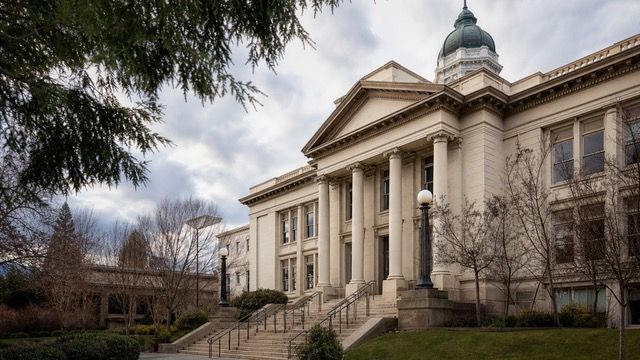
Lincoln was built around the Central Pacific Railroad in the 19th century and later became synonymous with Gladding, McBean, the terra cotta and clay products plant that still operates as a local landmark today. That heritage shows up in the built environment: older brick commercial storefronts, a walkable Main Street grid, and a small-town atmosphere that's increasingly rare in the Sacramento metro.
Homes near the historic core tend to be smaller, older builds, Craftsman bungalows, mid-century ranches, and similar character-driven properties. They appeal to buyers who want to walk to a local restaurant or catch a community event without driving through a gate. The price-per-square-foot in this part of Lincoln often reflects the older construction, but the charm and walkability carry real value for the right buyer.
The Modern Master-Planned Side
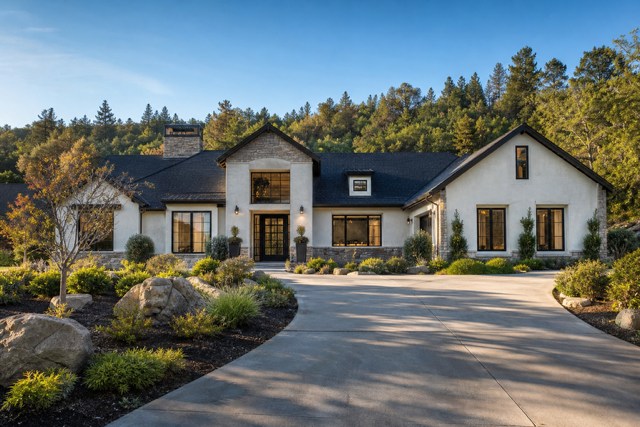
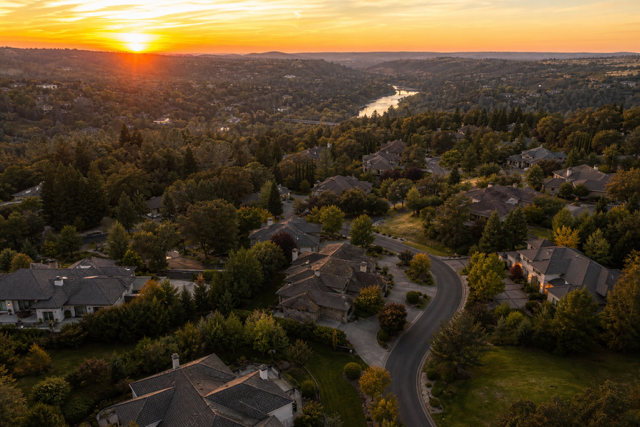
On the edges of the city, Lincoln looks entirely different. Lincoln Crossing and Sun City Lincoln Hills are the communities most buyers think of when they hear "luxury Lincoln." These are HOA-maintained, amenity-rich neighborhoods with community pools, fitness centers, clubhouses, parks, and, in Sun City Lincoln Hills specifically, golf courses and resort-style lifestyle programming.
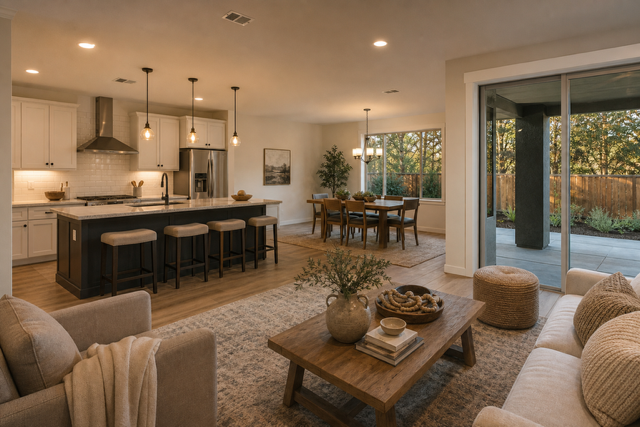
Homes here are newer construction, often with open-concept floorplans, upgraded finishes, and larger lots than you'd find closer to downtown. Sun City Lincoln Hills is an age-restricted (55+) community, so it draws a specific buyer. Lincoln Crossing is broader in appeal, attracting move-up buyers and executives who want modern living with low short-term maintenance demands.
This is where higher-end and luxury pricing in Lincoln tends to cluster. If you're comparing a newer 2,800-square-foot home in Lincoln Crossing to a similarly sized older home near downtown, the newer build will typically command a meaningfully higher price per square foot, and the amenity package helps justify it.
Lincoln's 2026 Market: What the Numbers Actually Show
Lincoln's market in 2026 is more nuanced than a single headline number suggests, and I think it's worth being honest about that rather than giving you a cheerful oversimplification.
According to Redfin's Lincoln market data, the median sale price over the three months ending June 2026 was approximately $621,000, down roughly 4.5% year over year. A separate regional housing market analysis covering the three months ending July 2026 puts the typical Lincoln sale price near $619,970, with median price per square foot around $341, down about 2.8% year over year, while noting that the number of homes sold actually rose about 10.2% over the same period.
Earlier in 2026, Zillow's Lincoln market overview (data through February 2026) reported an average home value near $636,490, with homes going pending in around 32 days and roughly 20% of sales closing above list price. Resideline's six-month market recap for the period ending summer 2026 tracked 667 closed sales in Lincoln with a median closing price of $620,000.
The pattern that emerges: prices have softened modestly from 2025 peaks, sales volume is up, and days on market have lengthened. Monthly reports from May and June 2026 show median prices in the low-to-mid $600,000s with days on market ranging from 53 to 63 days, while a July 2026 snapshot showed a higher median near $675,000 but a sharply longer average time on market. That divergence tells me the market is bifurcated right now, well-priced, move-in-ready homes in desirable communities are still moving, while overpriced or condition-challenged properties are sitting.
For context, Realtor.com's Lincoln snapshot from late 2025 showed a median home price near $631,250 and active listings around 439. Inventory has grown since then, which gives buyers more options but also means sellers need to be strategic about pricing and presentation.
Data Source / PeriodMedian Sale PriceDays on MarketKey Note Redfin (3 months ending June 2026) ~$621,000 ~20 days Down ~4.5% year over year CA Housing Market News (3 months ending July 2026) ~$619,970 Not reported Sales volume up ~10.2% year over year Zillow (through Feb 2026) ~$592,833 median; ~$636,490 avg value ~32 days to pending ~20% of sales above list price Resideline (6 months ending summer 2026) ~$620,000 Not reported 667 closed sales tracked Local report (July 2026 snapshot) ~$675,000 ~125 days Sharp DOM increase; strong closed volume.
Your specific home's value depends on community, condition, build year, lot, and finishes. These are area-level figures, the only way to know what a specific property is worth right now is to run a proper market analysis. That's exactly what I do before any client makes a move.
What Buying a Luxury Home in Lincoln Actually Looks Like
If you're moving up to a higher-end home in Lincoln, the transaction process follows California's standard residential framework, but there are a few things worth knowing before you start writing offers.
Escrow and Disclosures
Once a purchase agreement is signed, escrow opens with a neutral title and escrow company. They hold your earnest money, coordinate title searches, manage loan documents and payoffs, and ensure funds and documents exchange simultaneously at close. For financed buyers, escrow periods commonly run around 30 days, though that depends on contingencies and lender timelines.
On the disclosure side, California law requires sellers of most 1-4 unit residential properties to deliver a Transfer Disclosure Statement (TDS) disclosing known material facts about the property's condition. Most transactions in the Sacramento region also include a Seller Property Questionnaire (SPQ), a supplemental form that goes deeper on past repairs, renovations, insurance claims, and known defects. For luxury buyers, this level of disclosure is valuable, I always walk my clients through both documents carefully before we proceed past the inspection contingency.
If you're buying in Lincoln Crossing or Sun City Lincoln Hills, add HOA disclosures to that list. You'll receive CC&Rs, rules, budgets, and reserve studies, and you'll have a review period to evaluate them. I've seen buyers overlook HOA financials on a luxury purchase and regret it later, don't skip that step.
The California Department of Real Estate and the California Association of REALTORS® both publish guidance on these disclosure requirements for buyers who want to go deeper.
Property Tax and Transfer Tax in Placer County
Lincoln sits in Placer County, so your property taxes will follow California's Proposition 13 framework: a base 1% levy on assessed value, plus any voter-approved local assessments for schools and special districts. The exact combined rate varies by tax rate area within Lincoln, you'll see the specific figure on your preliminary title report. Taxes are typically paid in two installments annually, which is standard California practice statewide.
For the documentary transfer tax, Placer County's official fee schedule sets the rate at $0.55 per $500 (or fraction) of the sale price. The county's own FAQ confirms this as the standard calculation. By local custom in Placer County, the seller typically covers this cost, but that is custom, not a legal mandate. It's negotiable, and how it's handled in your specific contract is something to confirm with your agent and escrow officer, not assume.
Every situation is different, and the only way to understand your full cost picture on a specific Lincoln property is to work through it with someone who knows this market and can connect you with a qualified escrow officer.
Commuting from Lincoln
Lincoln sits northeast of Sacramento, with reasonable highway access to Roseville, Rocklin, and Sacramento proper. Many of my clients use Lincoln as a residential base while working in the broader Sacramento metro, the trade-off is commute time for a meaningfully different lifestyle at home. If remote or hybrid work is part of your picture, Lincoln becomes even more compelling.
This is one of those decisions where the numbers on paper only tell part of the story. I walk every buyer through the lifestyle fit, not just the price point, before we start touring homes.
See what other buyers and sellers have said about working with me on Google and Zillow.
Frequently Asked Questions About Living in Lincoln, CA
Is Lincoln, CA a good place for luxury living if I still want that small-town, historic feel?
Yes, and that combination is genuinely Lincoln's strongest selling point. You can buy a newer, amenity-rich home in a master-planned community like Lincoln Crossing and still be a short drive from a walkable historic downtown with local restaurants, brick storefronts, and community events. It's a pairing that's hard to find in most Sacramento-area suburbs.
How do home prices in Lincoln's newer communities compare to older neighborhoods near downtown?
Higher-end pricing in Lincoln generally clusters in the master-planned communities, where newer construction, larger floorplans, and HOA amenities command a premium. Historic-core homes tend to be smaller and older, which often means a lower entry price but potentially more maintenance and renovation considerations. The right fit depends on what you're prioritizing, character and walkability versus modern finishes and community amenities.
Are home values in Lincoln going up or down in 2026?
Prices have softened modestly from 2025 peaks. According to Redfin's Lincoln market data, the median sale price over the three months ending June 2026 was approximately $621,000, down about 4.5% year over year. Sales volume has actually increased over the same period, which signals continued demand, the market is adjusting on price, not collapsing. Buyers have more negotiating room than a year ago; sellers need to price accurately from the start.
What should I know about escrow and disclosures when buying a high-end home in Lincoln?
California requires sellers of most residential properties to deliver a Transfer Disclosure Statement (TDS) covering known material facts about the home's condition. Most Sacramento-area transactions also include a Seller Property Questionnaire (SPQ) with more detailed information on repairs, claims, and defects. In master-planned communities, you'll also receive HOA disclosures including CC&Rs, budgets, and reserve studies. Review all of it carefully, I walk every buyer through these documents before we move past the inspection contingency.
How does Placer County's documentary transfer tax work when buying in Lincoln?
Placer County's documentary transfer tax is set at $0.55 per $500 (or fraction) of the sale price, per the county's official fee schedule. By local custom, the seller typically pays this cost, but it's negotiable and not legally mandated. How it's allocated in your specific transaction depends on what's negotiated in the purchase agreement, so confirm the details with your agent and escrow officer rather than assuming.
How competitive is the Lincoln housing market right now for luxury buyers?
The market has become more balanced in 2026 compared to the frenzy of prior years. Days on market have lengthened in many price ranges, and inventory has grown, giving buyers more options and more room to negotiate. That said, well-priced, move-in-ready homes in desirable communities still attract offers relatively quickly. The strategy matters, knowing which properties are priced to sell versus sitting for a reason is exactly where local expertise pays off.
Lincoln is one of those markets where the right home exists at nearly every luxury price point, but finding it, understanding what it's actually worth, and navigating the transaction in Placer County requires someone who knows the territory. If you're thinking about buying or selling in Lincoln, book a strategy call with me and let's talk through your specific situation. Or if you want to know what your current home is worth before you make any decisions, request a free home valuation here.
About Lori McIntosh
Lori McIntosh is a REALTOR® (DRE 02122219) with GUIDE Real Estate, specializing in luxury country homes, equestrian estates, and acreage properties across Auburn, Meadow Vista, Newcastle, Rocklin, Lincoln, Penryn, and the Greater Sacramento region in Placer, Nevada, Sacramento, and El Dorado counties. With 30+ years of sales experience and a background as an Occupational Therapist and Pharmaceutical Sales Representative, she brings a uniquely client-centered approach to high-end real estate, including smooth, low-stress transitions for 55+, senior, and downsizing clients.
GUIDE Real Estate · (530)613-5644
Equal Housing Opportunity. Lori McIntosh, REALTOR® DRE 02122219, brokered by GUIDE Real Estate, licensed by the California Department of Real Estate (DRE). This article is general information only and does not constitute legal, tax, or financial advice. Confirm your specific costs, tax obligations, and transaction details with your attorney, tax advisor, lender, or escrow officer.