The Biggest Mistakes Sellers Make With Rural Properties (And How to Avoid Them)
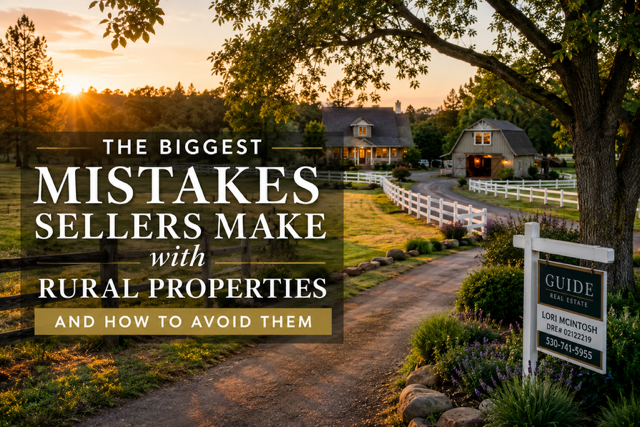
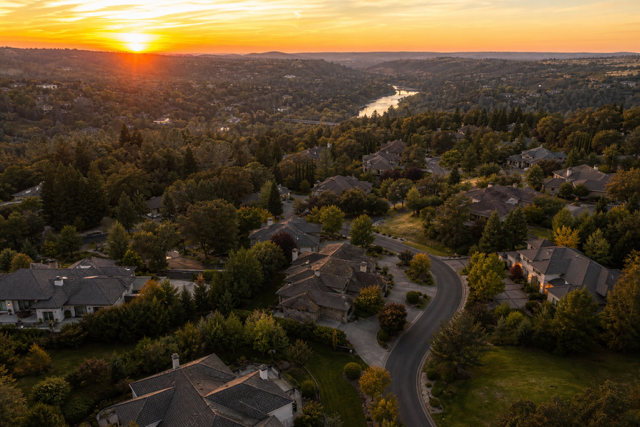
If you're thinking about selling a home with acreage in Auburn, Loomis, Penryn, Newcastle, Meadow Vista, or Grass Valley, here's what I see homeowners get wrong most often and how a little planning can make a big difference.
When people think about selling a home, most of the advice they find online is written for suburban neighborhoods.
Paint the front door.
Declutter the closets.
Stage the living room.
While those tips can certainly help, they often miss the bigger picture when you're selling a rural property.
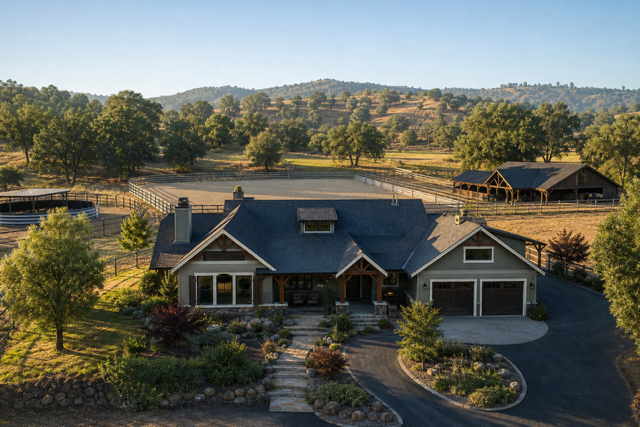
Homes with acreage, horse facilities, barns, ponds, wells, shops, gardens, or usable land are purchased for very different reasons than a typical subdivision home.
In my experience, buyers aren't just buying the house.
They're buying the lifestyle.
That means the strategy for selling should be different, too.
Here are the biggest mistakes I see and how to avoid them.
Mistake #1: Thinking Buyers Only Care About the House
One of the biggest misconceptions is believing the house is the star of the show.
Sometimes it is.
But many buyers are looking at things like:
- Is the land usable?
- Is there room for horses?
- Can I have a garden?
- Is there enough water?
- Is there privacy?
- Where will my RV or equipment go?
The house matters.
But the lifestyle often sells the property.
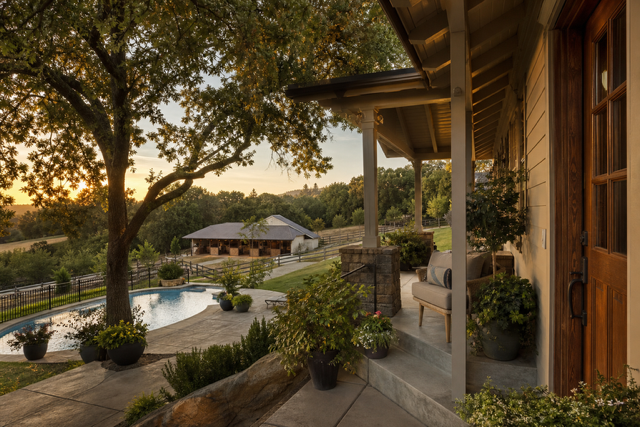
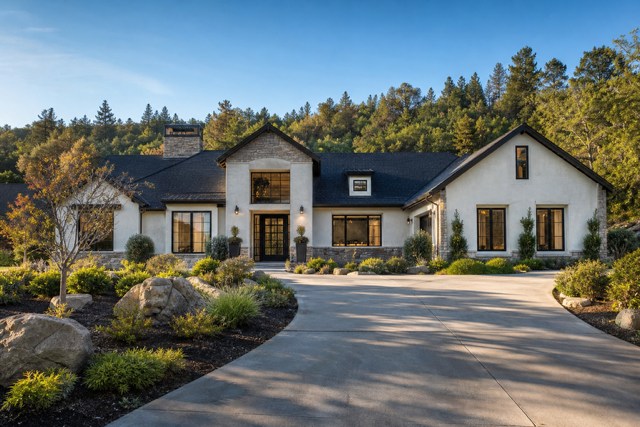
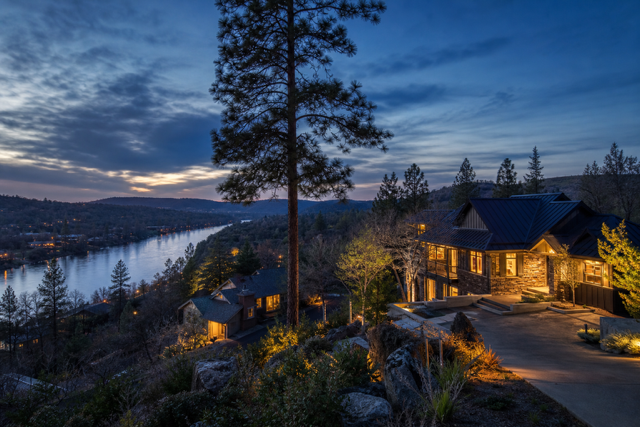
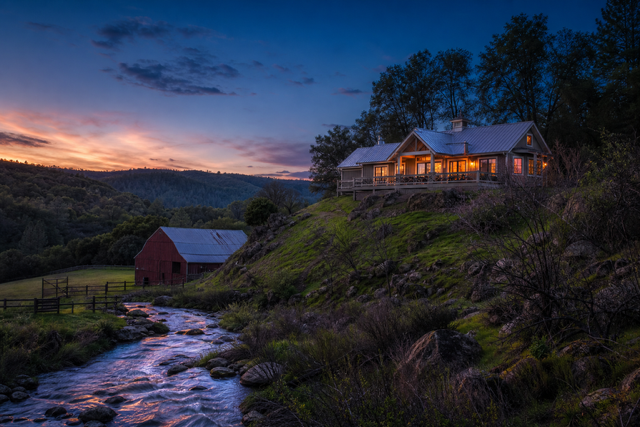
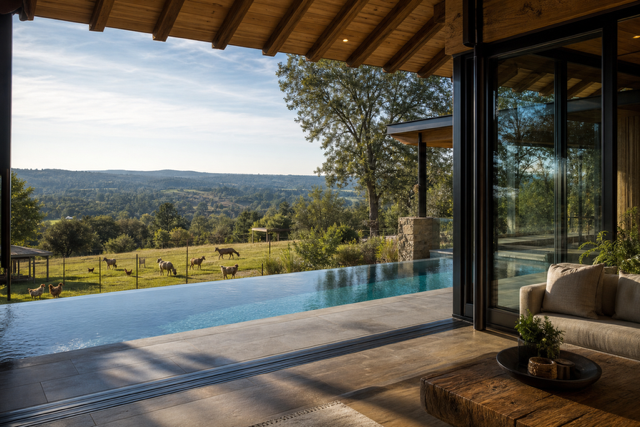
When I photograph acreage listings, I'm thinking about telling the story of the property—not just documenting the rooms.
As a former professional photographer, I've learned that buyers need to visualize themselves living the lifestyle before they fall in love with the house.
Mistake #2: Relying on Zillow or Automated Home Values
Online estimates can be helpful for typical neighborhoods.
They struggle with rural properties.
Why?
Because computers don't understand:
- usable acreage
- horse facilities
- ponds
- views
- irrigation
- privacy
- outbuildings
- lifestyle appeal
Two homes with similar square footage can have dramatically different values because the land functions differently.
Pricing acreage requires local knowledge, not just data.
Mistake #3: Spending Money in the Wrong Places
One question I hear often is:
"Should we remodel before selling?"
Sometimes.
Usually not.
Many rural buyers are perfectly happy to update a kitchen later.
What they don't want is:
- broken fences
- overgrown pastures
- cluttered barns
- difficult access
- deferred maintenance that suggests larger problems
Instead of spending $50,000 remodeling, it may make more sense to spend a weekend making the property easier to understand.
Simple improvements often create a better return.
Mistake #4: Forgetting That Water Matters
If you've lived on your property for years, it's easy to forget that buyers don't know what you know.
They'll want to understand things like:
- How productive is the well?
- Is there irrigation?
- Is it in NID or PCWA?
- Is there a pond?
- Is there water storage?
- How is the property irrigated?
You don't necessarily need every answer before listing, but gathering this information early makes the process smoother and gives buyers confidence.
Mistake #5: Waiting Until the Property Feels Like Too Much
This is probably the hardest mistake because it's emotional.
Many of my clients have owned their property for decades.
They raised children there.
Built barns.
Planted trees.
Watched sunsets from the porch.
The property isn't just real estate.
It's part of their identity.
As a former Occupational Therapist specializing in geriatrics, I learned that transitions are rarely just physical, they're emotional.
Selling a longtime home is one of life's biggest transitions.
That's why I encourage homeowners to start exploring their options before the decision becomes urgent.
The best decisions usually happen when you have time, not pressure.
Mistake #6: Marketing the Property Like Every Other Listing
Not every buyer wants acreage.
That's okay.
You're not trying to attract everyone.
You're trying to attract the right buyer.
For horse properties, that means highlighting:
- fencing
- turnout areas
- trailer access
- arenas
- nearby riding opportunities
For lifestyle properties, it may be:
- gardening
- orchards
- workshops
- privacy
- outdoor entertaining
Because I live this lifestyle myself, with horses, a pond, a permaculture garden, and an older rural home—I naturally see details that many people overlook.
Those details often matter to the buyer who's willing to pay a premium.
Mistake #7: Thinking You're Just Selling Property
You're not.
You're passing a lifestyle to someone else.
Whether it's the family who dreams of raising horses, the couple wanting more privacy, or the retiree looking for room to garden, buyers are often searching for something much bigger than square footage.
They're searching for a different way of living.
When your marketing reflects that lifestyle, buyers connect emotionally, and that's where great results often begin.
Final Thoughts
Every rural property has a story.
My goal isn't simply to put your home on the market.
It's to understand what makes your property unique, identify the buyers who will appreciate it most, and create a strategy that reflects both the value of the home and the life you've built there.
If you've been wondering whether it's time for your next chapter, I'd be happy to have a conversation.
No pressure.
Just honest advice based on your goals and your property.
Frequently Asked Questions
Should I renovate before selling my acreage home?
Usually only if the improvements solve a real buyer concern. Cosmetic updates aren't always the highest return.
Does a well affect my home's value?
Water availability is an important consideration for many buyers. The impact depends on the property's overall features and buyer expectations.
Should I order a well inspection before listing?
It depends on the property. Some sellers choose to do this upfront to better understand their system and provide buyers with additional confidence. If you're unsure, we can discuss whether it makes sense for your situation.
Is a horse property harder to sell?
Not necessarily. It simply requires marketing that speaks directly to equestrian buyers and highlights the property's functionality.
When should I start planning to sell?
Ideally, before you feel rushed. Exploring your options early gives you more flexibility and confidence in your decisions.
About Lori McIntosh
Lori McIntosh is a real estate advisor with GUIDE Real Estate (DRE#02122219), specializing in acreage, horse properties, rural homes, and luxury properties throughout Auburn, Loomis, Penryn, Newcastle, Meadow Vista, and Grass Valley.
As someone who lives the rural lifestyle herself, with horses, acreage, a pond, and a productive garden, Lori understands firsthand the opportunities and challenges these properties offer. Her background as an Occupational Therapist specializing in geriatrics, a Pharmaceutical Sales Representative, and a professional photographer gives her a unique perspective on helping homeowners navigate both the emotional and practical side of selling.