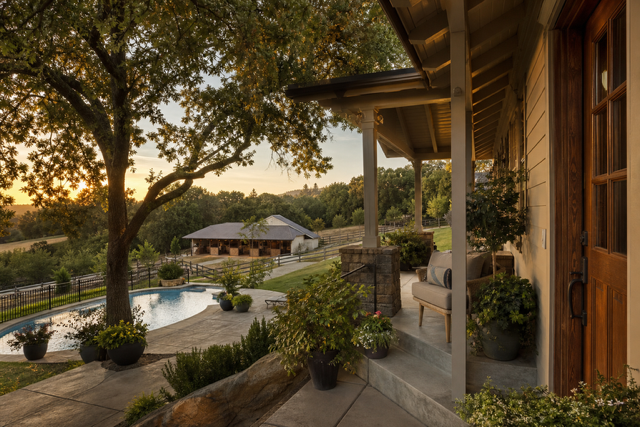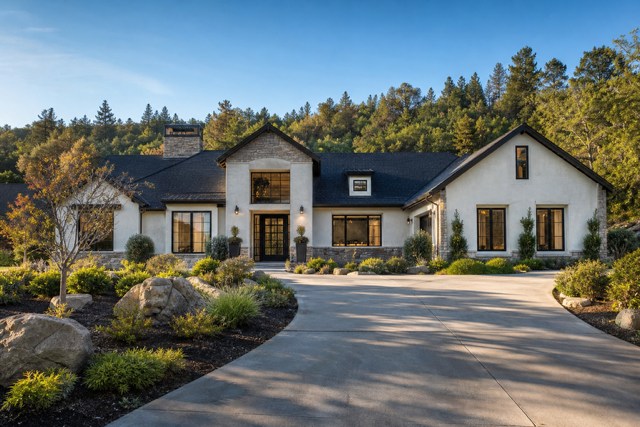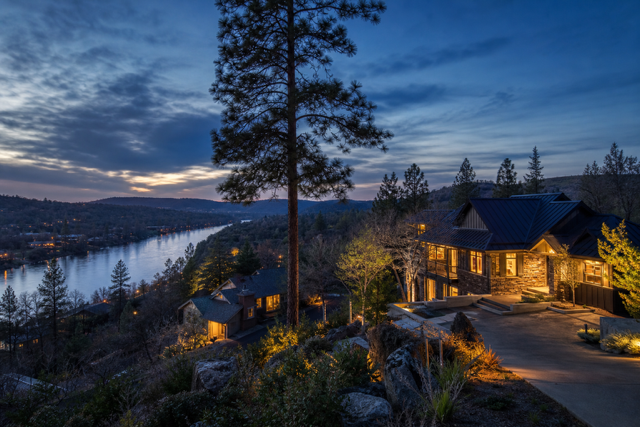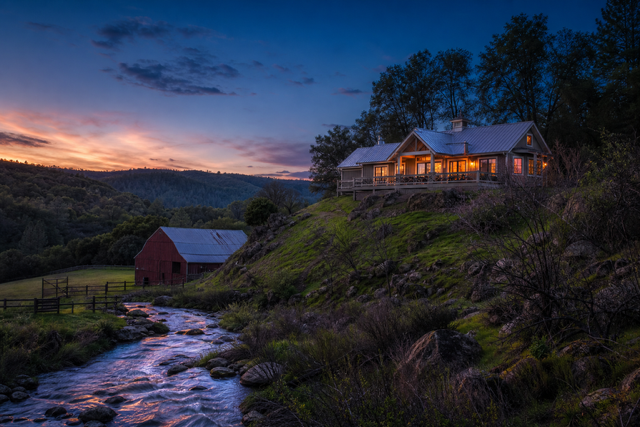


What do you need to know to sell an equestrian estate in Placer County?
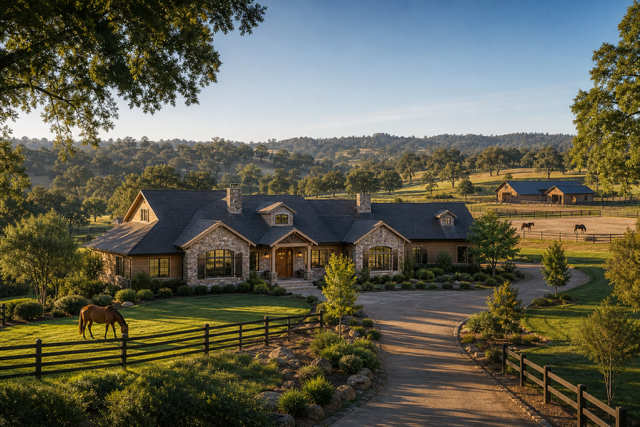
Selling an equestrian estate in Placer County is nothing like selling a standard suburban home. You're marketing a lifestyle, a working infrastructure, and a specific kind of acreage to a buyer pool that is smaller, more selective, and often traveling from outside the region. The good news: when you price it right, present it well, and handle the disclosures correctly, these properties sell to motivated, qualified buyers who know exactly what they want.
Where Equestrian Estates Fit in the Placer County Market Right Now
Placer County's general housing market is performing steadily in 2026. According to the California Association of REALTORS® May 2026 Home Sales and Price Report, the county's median home price in May 2026 was $685,000, with an Unsold Inventory Index of 3.0 months and a median time on market of 22 days. That's a relatively healthy seller-leaning market by historical standards.
Equestrian estates operate in a different tier entirely. A July 2025 snapshot from LandSearch's Placer County equestrian listings showed an average listing price of $1,684,500 for horse properties in the county. That figure is now over a year old and should be treated as historical market color rather than a current benchmark, but it illustrates the gap between the general market and this niche segment. Your property competes in a price band where buyers are more deliberate, financing is more complex, and the showing pool is smaller but far more qualified.
The C.A.R. Q2 2026 Housing Affordability Report puts Placer County's affordability index at 34%, up from 31% in Q2 2025. That improvement matters for your sale: more buyers can qualify for financing at these price points than could a year ago. Regional July 2026 data for the Sacramento four-county area shows 2.5 months of inventory and stable prices, confirming that demand hasn't dried up even as summer sales volume moderates.
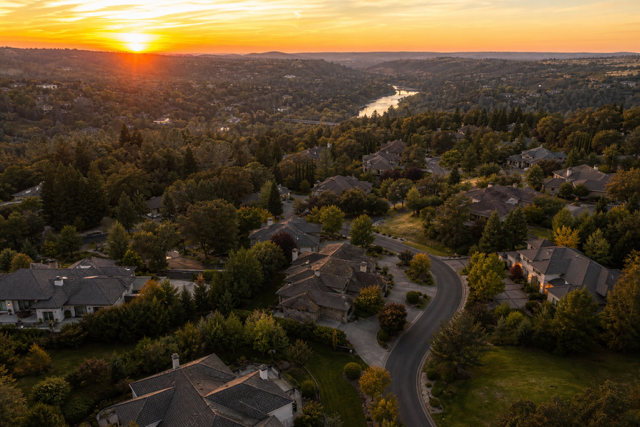
I work in this segment every day across Auburn, Newcastle, Loomis, Penryn, and the surrounding communities. Here's what I tell every equestrian seller who calls me: the market is there, but you have to reach it the right way.
How Long Will It Take to Sell?
Brokerage data from early 2026 shows general Placer County single-family homes sitting in the mid-50s for days on market with list-to-sale ratios around 97%. Equestrian estates typically take longer. Your buyer pool is smaller and more specialized. Buyers often travel from the Bay Area or coastal counties, and their decision cycles are longer because they're evaluating infrastructure, not just square footage and finishes.
I frame this for my sellers as: expect longer exposure but fewer, more qualified showings. A buyer who schedules a showing on a horse property already knows what a tack room is. That's a very different showing than an open house on a tract home.
Timing Your Listing for Maximum Impact
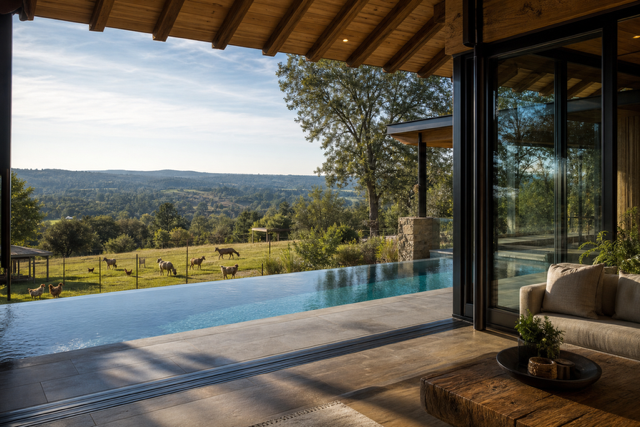
Late winter through late spring, roughly Q1 into Q2, is when equestrian estates show at their absolute best in Placer County. Pastures are green, water is flowing, and arenas aren't baked dry. That visual impact matters enormously when you're asking a buyer to pay a premium for land and facilities.
Late summer and early fall, which is where we are right now in August 2026, can present challenges: brown pastures, fire-season smoke, and heat that makes outdoor inspections uncomfortable. That doesn't mean you can't sell now, it means your marketing and photography strategy needs to account for seasonal conditions. I always advise sellers to have green-season drone footage ready to use year-round if the property was photographed earlier.
Pricing, Marketing, and Reaching the Right Buyers
Pricing an Equestrian Estate Is Not a Comp Exercise
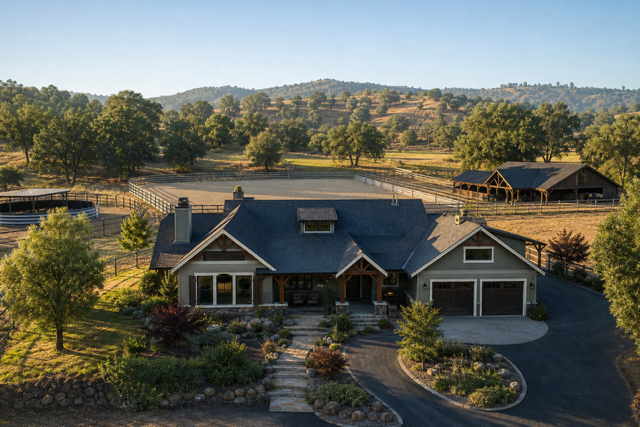
The biggest mistake I see sellers make is trying to price their horse property off neighborhood comps. There simply aren't enough equestrian sales in any given micro-market to produce a clean comparable set. You have to analyze the infrastructure independently: acreage quality and usability, barn configuration, arena size and footing type, water sources, fencing, and trailer access all factor into value in ways that a standard CMA won't capture.
According to the C.A.R. May 2026 report, the county's median time on market is 22 days for general residential properties. Overpriced equestrian estates can sit for months. Getting the number right from day one is critical, and that requires someone who has priced and sold these properties before, not just someone who can pull a Zestimate.
Your specific value depends on your property's condition, acreage layout, facility quality, and timing. That's exactly why I offer a detailed property analysis before we ever talk about a list price. Request a free home valuation here and I'll walk you through what your property is worth in today's market.
Marketing That Reaches Equestrian Buyers
Standard MLS marketing is a starting point, not a strategy. The buyers for Placer County equestrian estates are looking for specific things, and they're looking in specific places. Here's what I do differently for these listings:
- High-end photography and drone video that showcases pastures, arenas, and ride-out access, not just the kitchen and living room.
- Equestrian-specific platform distribution beyond the MLS, reaching buyers who are actively searching horse properties.
- Targeted outreach to regional horse communities, including local Facebook groups, trainer networks, and boarding barn contacts.
- Listing language that translates features into value: "ride-out access to Auburn State Recreation Area trails," "turn-key four-stall setup with covered arena," "set up for multiple disciplines." Buyers don't want a list of structures; they want to picture their horses there.
- Bay Area and coastal buyer outreach, because a significant share of Placer equestrian buyers are relocating from higher-cost regions and are actively searching for more affordable acreage within driving distance of urban job centers.
Proximity to the Auburn State Recreation Area and its extensive trail network is a genuine selling point that I highlight in every relevant listing. Buyers who trail ride know exactly what that access means, and it can be the detail that tips a decision.
What Features Matter Most to Placer County Equestrian Buyers
After working with buyers and sellers of horse properties across Auburn, Meadow Vista, Newcastle, and Penryn, here's what consistently moves the needle:
- Usable acreage, not just total acres. Flat or gently sloping terrain for pasture and riding matters more than raw acreage on a steep hillside.
- Barn configuration: stall count, tack room, wash rack, and ventilation. A well-built barn justifies a premium; a deteriorating one raises red flags.
- Arena quality and footing. Show-oriented buyers care about arena dimensions and footing type. Trail-focused buyers care less, but a round pen or basic arena is still expected.
- Water: well condition, stock watering setups, and where applicable, NID or PCWA irrigation water access. Water reliability is a top concern in a region with dry summers.
- Fencing: perimeter and cross-fencing in good repair, with horse-safe materials. Broken or inadequate fencing is one of the fastest ways to lose a buyer's confidence.
- Trailer access and parking A driveway that can't handle a four-horse slant is a dealbreaker for serious equestrians.
California Disclosures and Escrow for Equestrian Properties
This is where having an agent who knows equestrian transactions pays off most. The disclosure and escrow process for a horse property in Placer County is more complex than a standard residential sale, and gaps here can cost you a deal or expose you to liability.
Required Disclosures
Under California Civil Code §1102 et seq., most residential sales of one to four units require a Transfer Disclosure Statement (TDS), disclosing known material facts and defects. That requirement applies to equestrian estates with a residential component.
Beyond the TDS, the California Association of REALTORS® Seller Property Questionnaire (SPQ) is commonly used in Placer County transactions to capture additional property history. For equestrian estates, the SPQ is particularly important because it creates a documented record of barn use, well and septic systems, fencing, easements, and whether the property has been used for boarding or training operations.
I also routinely advise equestrian sellers to proactively address:
- Well and septic disclosures, including water test results if available.
- Natural Hazard Disclosure reports covering fire, flood, and seismic zones, which matter significantly in foothill Placer County.
- Right-to-farm notices where applicable.
- Historical use intensity: private hobby use versus an active boarding or training operation affects how buyers assess the property and what they'll want to inspect.
The California Department of Real Estate provides consumer guidance on seller disclosure obligations. These are not optional, and incomplete disclosures on a property this complex invite post-close disputes.
Escrow and Title Complexity
Many equestrian estates in Placer County involve multiple Assessor's Parcel Numbers, recorded easements for access roads or irrigation ditches, and outbuildings that may or may not be fully permitted. That complexity runs through escrow.
A good escrow and title team will verify that all intended parcels are included in the legal description, flag easements and restrictions in the preliminary title report that could affect arena placement or ride-out access, and coordinate any agricultural or business-related lien payoffs if the property has been used commercially. Per the C.A.R. purchase agreement framework and standard Northern California practice, escrow also handles prorated property taxes and coordinates recording with the county.
Under California's Proposition 13 framework, a buyer's assessed value resets to the purchase price at close of escrow. On a property priced well above the county median, that means a meaningful jump in annual property taxes for the buyer. I make sure my sellers understand this and can speak to it honestly when buyers ask. Equestrian estates in Placer may also carry special district assessments, community facilities district (CFD) charges, or water district fees that add to the total tax burden and need clear disclosure. The Placer County Assessor's Office is the right starting point for current parcel-level assessment information.
This is exactly the kind of complexity that separates a smooth close from a transaction that falls apart in escrow. I've been through it enough times to know where the landmines are, and I work with title and escrow teams who specialize in these properties.
| Placer County Market Indicator | Figure | Source / Date |
|---|---|---|
| County median home price | $685,000 | C.A.R. May 2026 Sales Report |
| Unsold Inventory Index | 3.0 months | C.A.R. May 2026 Sales Report |
| Median days on market (county) | 22 days | C.A.R. May 2026 Sales Report |
| Housing Affordability Index (Q2 2026) | 34% | C.A.R. Q2 2026 HAI Report |
| Avg. equestrian listing price, Placer County | $1,684,500 | LandSearch (July 2025, historical color) |
| Sacramento 4-county months of inventory | 2.5 months | Regional brokerage data, July 2026 |
See what other sellers and buyers say about working with me on Google and Zillow.
Frequently Asked Questions
How do I price my horse property compared to regular homes in Placer County?
Equestrian estates don't price off standard neighborhood comps because there aren't enough comparable sales in any given area to produce a reliable number. Pricing requires a separate analysis of the infrastructure: acreage quality and usability, barn configuration, arena type, water systems, and fencing all contribute to value independently of the home itself. I walk every equestrian seller through this analysis before we discuss a list price, because overpricing this segment is one of the fastest ways to stall a sale.
What special disclosures do I need when selling a horse property in California?
At minimum, California Civil Code §1102 et seq. requires a Transfer Disclosure Statement for most residential sales, including equestrian estates with a residential component. Beyond the statutory TDS, the Seller Property Questionnaire (SPQ) is commonly used in Placer County to document barn use, well and septic systems, easements, and whether the property has been used for boarding or training. Proactive disclosure of water system condition, natural hazard zones, and historical use intensity is standard practice for equestrian listings and helps protect sellers from post-close disputes.
Are there enough buyers for equestrian estates in Placer County right now?
Yes, but the buyer pool is smaller and more deliberate than the general market. Placer County's broader housing market shows 3.0 months of inventory and a 34% affordability index as of mid-2026, per C.A.R. data, indicating active demand. Equestrian buyers include local move-up buyers, Bay Area and coastal relocators seeking more affordable acreage, and buyers with specific discipline needs who are actively searching. The key is reaching them through the right channels, including equestrian-specific platforms, regional horse communities, and targeted outreach beyond the standard MLS.
Does selling a horse property in Placer County take longer than selling a standard home?
Generally, yes. General Placer County residential properties were averaging around 22 days on market as of May 2026 per C.A.R. data, but equestrian estates typically take longer because the buyer pool is smaller and decision cycles are longer. Buyers often travel from outside the region and are evaluating infrastructure as much as the home itself. I frame this for my sellers as fewer showings but more qualified buyers, which usually means a cleaner transaction when the right buyer arrives.
How does escrow work when my horse property has multiple parcels or easements?
Escrow for equestrian estates in Placer County is more involved than a standard residential close. Multiple Assessor's Parcel Numbers need to be verified and included in the legal description, recorded easements for access roads, irrigation ditches, or shared driveways need to be flagged in the preliminary title report, and any agricultural or business-related liens need to be resolved before close. Working with an escrow and title team experienced in rural and multi-parcel properties is essential. I connect my equestrian sellers with teams who handle this complexity routinely.
What local features should I highlight when marketing an equestrian estate near Auburn or Loomis?
Access to the Auburn State Recreation Area trail network is one of the strongest selling points for equestrian properties in the Auburn corridor, and I lead with it in every relevant listing. Beyond trails, buyers respond to turn-key barn setups, good arena footing, reliable water sources, and trailer-friendly driveway layouts. The messaging that performs best translates physical features into lifestyle outcomes: "ride-out access from the property," "set up for multiple disciplines," or "boarding operation potential" depending on what the zoning and permits support.
Selling an equestrian estate in Placer County rewards sellers who prepare carefully, price strategically, and market to the right audience. If you're thinking about selling your horse property in Auburn, Newcastle, Loomis, Penryn, or anywhere in the greater Sacramento foothills, I'd welcome the conversation. Book a strategy call here and let's talk through what your property is worth and how to position it for the right buyer.
About Lori McIntosh
Lori McIntosh, REALTOR® DRE 02122219, specializes in luxury country homes and equestrian estates across Auburn, Meadow Vista, Newcastle, Rocklin, Lincoln, Penryn, and the Greater Sacramento region in Placer, Nevada, Sacramento, and El Dorado counties. With 30+ years of sales experience and a background as an Occupational Therapist and Pharmaceutical Sales Rep, she brings a uniquely client-centered approach to high-end acreage properties and smooth transitions for 55+, seniors, and downsizers.
GUIDE Real Estate · (530)613-5644
Equal Housing Opportunity. Lori McIntosh, REALTOR® DRE 02122219, brokered by GUIDE Real Estate. This article is general information only and does not constitute legal, tax, or financial advice. Confirm your specific numbers and obligations with your attorney, tax advisor, lender, or escrow officer. Broker fees and commissions are fully negotiable and not set by law.