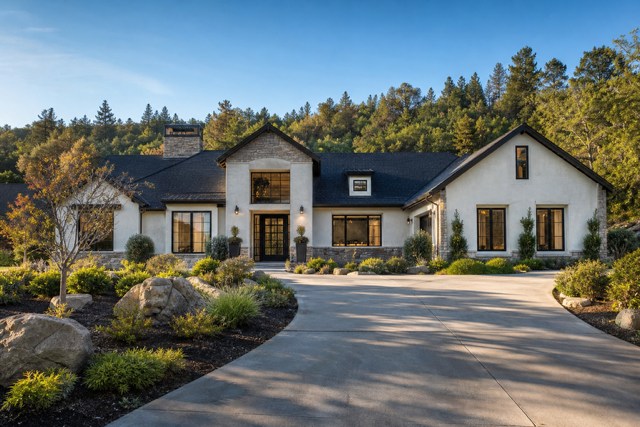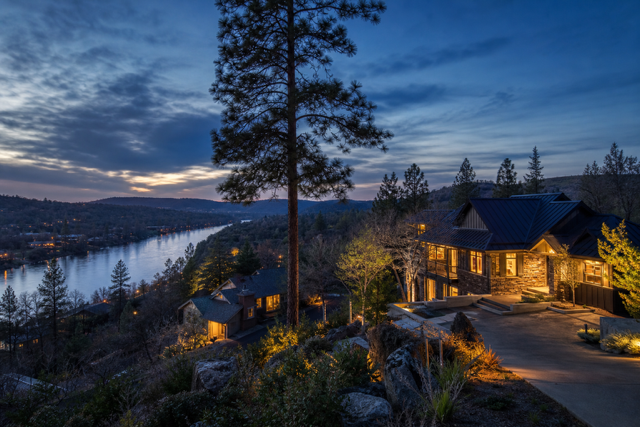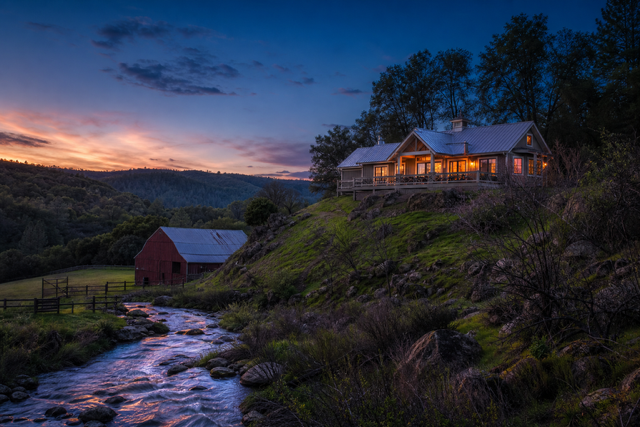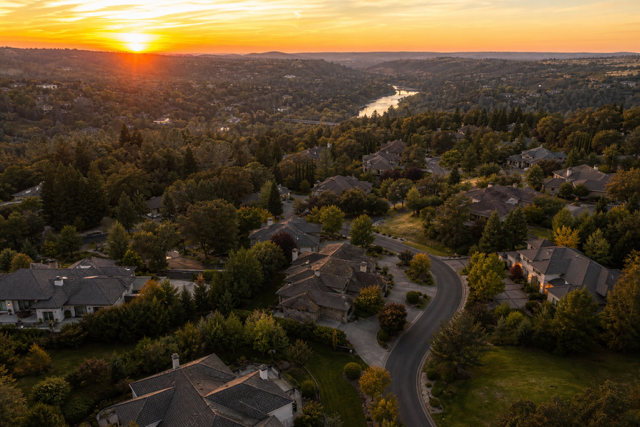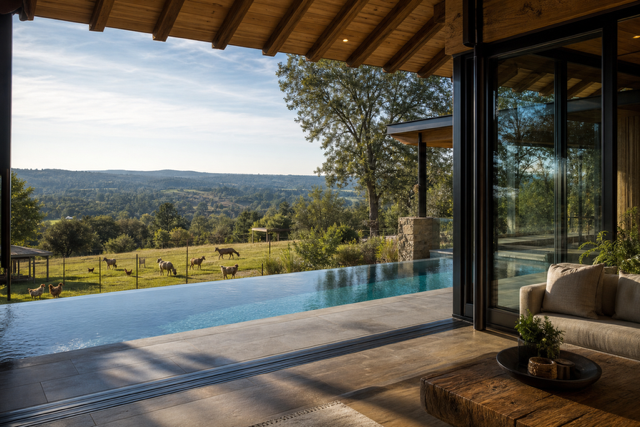


What makes Placer County equestrian properties so appealing to horse owners?
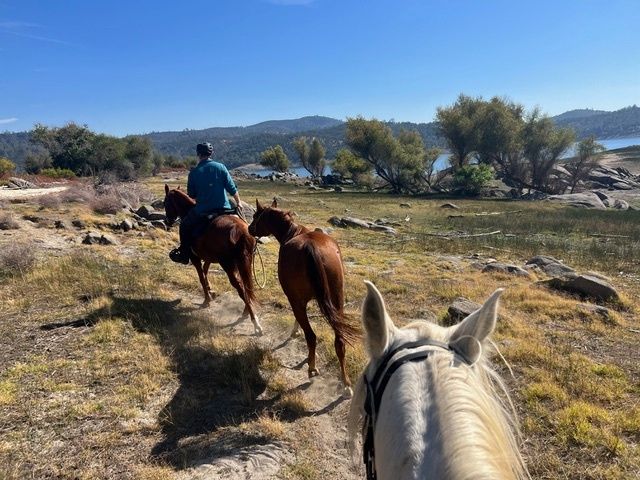
Placer County equestrian properties combine private acreage, purpose-built equine facilities, and direct access to riding trails in a setting that's hard to find anywhere else in Northern California. For buyers who want a refined country lifestyle without sacrificing proximity to Sacramento, these estates offer the best of both worlds.
I've spent years helping buyers and sellers of luxury acreage across Auburn, Meadow Vista, Newcastle, Penryn, and Lincoln. The question I hear most often from horse owners relocating to the foothills is simple: "Where exactly should I be looking?" The answer almost always starts with Placer County.
What Defines a True Equestrian Property in Placer County
Not every listing with a barn qualifies. In my experience, buyers who are serious about horses have a clear checklist, and Placer County properties routinely check every box.
Acreage and zoning
Placer County's Planning Division maintains rural residential and agricultural zoning designations that allow horses by right on qualifying parcels. The AG (General Agriculture) and RA (Residential Agriculture) zones are the most common for equestrian estates, and they permit multiple horses per acre depending on lot size. When I'm helping a buyer evaluate a property, zoning verification is the first call I make to the county planning department, before we ever talk price.
Properties in the Auburn foothills and Meadow Vista corridor frequently range from 5 to 40+ acres, giving horses room to graze and owners room to build out a proper facility over time.
Equine infrastructure that matters
The infrastructure gap between a "horse property" and a true equestrian estate is significant. Here's what separates them:
- Stabling: Dedicated stall barns with proper ventilation, rubber matting, and automatic waterers versus a converted storage shed
- Arenas: Covered or open riding arenas with appropriate footing (decomposed granite, sand, or rubber blend) versus a flat patch of pasture
- Pasture management: Cross-fenced paddocks for rotation, run-in shelters, and irrigated pasture versus a single open lot
- Hay and feed storage: Dedicated hay barns that keep feed dry and protected from rodents
- Trailer access: Wide driveways, level parking pads, and turnaround space for a four-horse slant or gooseneck rig
- Water supply: Well capacity and storage tanks adequate for livestock needs, especially in fire season
Every one of those items affects value, insurance, and daily quality of life. I walk buyers through a facility assessment before we ever write an offer, because what looks turnkey in photos sometimes needs $80,000 in upgrades to actually function.
Trail access
This is where Placer County genuinely shines. The Placer County Parks and Trails system includes multi-use corridors that connect to the broader network of foothill riding. The Western States Trail, the same route used by the legendary Tevis Cup 100-mile endurance ride, passes through Placer County, giving local riders access to one of the most iconic equestrian routes in the world. Properties with direct trail access or gate-to-trail connectivity command a meaningful premium, and rightfully so.
The Lifestyle Equation: Luxury Meets Working Ranch
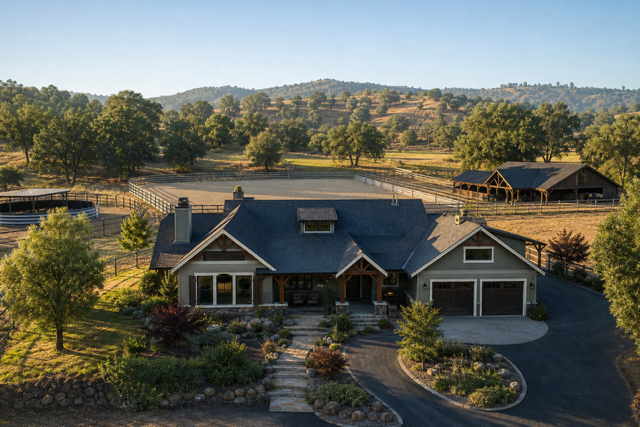
What surprises many buyers moving from suburban Sacramento is how refined equestrian living in Placer County actually is. These aren't just working farms. The estates I market in Auburn, Newcastle, and Penryn frequently feature:
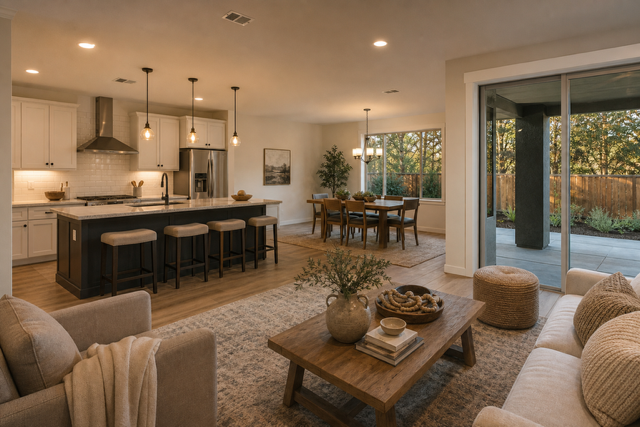
- Custom main residences with high-end finishes, chef kitchens, and panoramic foothill views
- Guest houses or ADUs for family, farm managers, or rental income
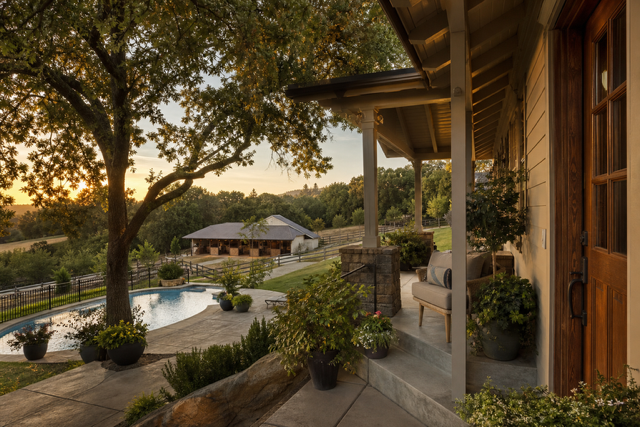
- Pools, outdoor entertaining areas, and vineyard parcels alongside the equine facilities
- Fiber internet access (increasingly available through Placer County broadband expansion efforts) that makes remote work genuinely viable
The 55+ and downsizer clients I work with often find that a single-story equestrian estate on 10 acres gives them more peace, more privacy, and more connection to nature than anything they had in a suburban neighborhood, without giving up the luxury finishes they've earned.
Community and equestrian culture
Placer County has a deep equestrian culture that new residents plug into quickly. The Placer County 4-H program and local riding clubs provide community for families with young riders. The Gold Country region hosts regular horse shows, trail challenges, and endurance events throughout the year. According to the California Horse Council, California consistently ranks as one of the top states in the nation for horse ownership, and the Sierra Nevada foothills represent a significant concentration of that activity.
What to Know Before You Buy an Equestrian Property in Placer County
Buying a horse property is a different process than buying a conventional home. Here are the considerations I raise with every equestrian buyer before we start touring.
Due diligence goes deeper
Beyond the standard home inspection, equestrian properties warrant:
- Well and septic evaluation: Livestock water demand is substantial. A well producing 5 gallons per minute may be fine for a house but inadequate for a barn with 10 stalls. The Placer County Environmental Health Division maintains records on permitted wells and septic systems.
- Fire hazard designation: Much of Placer County's equestrian country sits in a State Responsibility Area or Very High Fire Hazard Severity Zone. The California Office of the State Fire Marshal maintains the current fire hazard severity zone maps. This affects insurance availability and cost significantly.
- Easements and CC&Rs: Some rural parcels carry trail easements, water rights, or agricultural conservation easements that affect how you can use the land. I review title reports carefully with every buyer.
- Williamson Act enrollment: Some large agricultural parcels in Placer County are enrolled in the California Land Conservation (Williamson Act), which reduces property taxes in exchange for a long-term agricultural use commitment. This can be a benefit or a constraint depending on your plans.
Insurance in fire country
This is the conversation I have with every buyer before they fall in love with a property. The California insurance market has tightened significantly in fire-prone foothill areas. The California Department of Insurance provides guidance on coverage options including the FAIR Plan for high-risk properties. Budget time in your due diligence period to secure insurance quotes, and factor the annual premium into your total cost of ownership before you're committed.
Market context for equestrian properties
Recent Zillow market data for the broader Sacramento area shows a median sale price of $490,000 and a median of just 12 days on market, reflecting how competitive the region remains heading into late summer 2026. Equestrian properties with quality infrastructure and trail access routinely trade well above the area median, and they move quickly when priced correctly. The Sacramento region had 1,473 active listings and 520 new listings in the past 30 days, but purpose-built equestrian estates represent a small fraction of that inventory, which keeps demand concentrated among a motivated buyer pool.
According to the
National Association of REALTORS®, rural and lifestyle properties have seen sustained buyer interest from remote workers and lifestyle-driven relocators since 2020, and that demand has remained durable in Northern California's foothill communities through 2026.
| Property Feature | Entry-Level Horse Property | True Equestrian Estate |
|---|---|---|
| Acreage | 2-5 acres | 10-40+ acres |
| Stabling | 2-4 run-in stalls or converted structure | Dedicated barn, 4-12+ stalls with amenities |
| Arena | None or informal area | Graded arena with proper footing, often covered |
| Pasture | Single open lot | Cross-fenced, irrigated, rotational paddocks |
| Trail access | Road access to nearby trails | Direct gate-to-trail or deeded trail easement |
| Water supply | Domestic well, shared or limited | High-yield well, storage tanks, livestock lines |
| Residence | Functional, modest finishes | Custom or semi-custom, luxury appointments |
Knowing exactly where a property falls on that spectrum, and what it would cost to close the gap, is the kind of analysis I bring to every showing. Your ideal property depends on how many horses you're running, whether you're training or just trail riding, and how much of the infrastructure you want ready on day one versus building over time.
If you're not sure which tier makes sense for your situation, that's exactly the conversation to have before you start touring. I'd rather spend 30 minutes on a strategy call upfront than have you fall in love with a property that doesn't fit your program.
Read what my clients say about working with me on Google and Zillow.
Frequently Asked Questions About Placer County Equestrian Properties
How many horses can I keep on a Placer County property?
It depends on the zoning designation and lot size. Under Placer County's agricultural and rural residential zoning, the number of permitted horses generally scales with acreage, but the specific allowance varies by zone and parcel. The Placer County Planning Division can confirm what's permitted for any specific parcel before you make an offer. I always verify this as part of my buyer due diligence process.
What are the best areas in Placer County for equestrian properties?
Auburn, Meadow Vista, Newcastle, Penryn, and Lincoln are the communities I work in most often for equestrian buyers. Each has a distinct character, Meadow Vista and Auburn tend to offer more trail connectivity and larger parcels, while Newcastle and Penryn have a gentler topography that suits arena work and pasture management. The right fit depends on your riding discipline, herd size, and how much land you want to manage.
Does the Williamson Act affect equestrian properties in Placer County?
Some larger agricultural parcels in Placer County are enrolled in the California Williamson Act, which reduces property taxes significantly in exchange for a commitment to keep the land in agricultural use for a rolling 10-year term. For a working equestrian estate, this is often a genuine benefit. For a buyer who wants to subdivide or develop, it's a constraint. I review enrollment status on every rural parcel I present to buyers.
How does fire hazard designation affect buying a horse property in the Auburn foothills?
Much of Placer County's equestrian country sits in a designated fire hazard severity zone, which affects both insurance availability and cost. The California Office of the State Fire Marshal publishes current zone maps. I strongly recommend getting insurance quotes during your contingency period, not after, so you know the full cost of ownership before you're committed to the purchase.
Are equestrian properties in Placer County good investments?
Purpose-built equestrian estates with quality infrastructure and trail access have historically held value well in the Placer County foothills, partly because supply is genuinely limited and the buyer pool is motivated. That said, every property is different, and value depends heavily on infrastructure condition, water supply, zoning, and location. The best way to evaluate a specific property's investment profile is to run a detailed market analysis, which is exactly what I do for every client before we make an offer.
Placer County equestrian living is one of the most rewarding lifestyle choices in Northern California, but finding the right property takes more than a portal search. The details that make or break a horse property, water supply, zoning, trail access, infrastructure condition, fire insurance, don't show up in the listing photos.
I know this market, I know these properties, and I know what questions to ask before you fall in love with the wrong one. Book a strategy call and let's talk through exactly what you're looking for, or get a free home valuation if you're considering selling your current property to make the move.
About Lori McIntosh
Lori McIntosh is a REALTOR® (DRE 02122219) with GUIDE Real Estate specializing in luxury country homes and equestrian estates across Auburn, Meadow Vista, Newcastle, Rocklin, Lincoln, Penryn, and the Greater Sacramento region in Placer, Nevada, Sacramento, and El Dorado counties. With 30+ years of sales experience and a background as an Occupational Therapist and Pharmaceutical Sales Rep, she brings a uniquely skilled approach to high-end acreage transactions and smooth, low-stress transitions for 55+, senior, and downsizer clients.
GUIDE Real Estate · (530)613-5644
Equal Housing Opportunity. Lori McIntosh, REALTOR® DRE 02122219, brokered by GUIDE Real Estate. This article is general information only and does not constitute legal, tax, or financial advice. Confirm all costs, zoning, insurance, and transaction details with your attorney, tax advisor, lender, or escrow officer. Broker fees and commissions are fully negotiable and not set by law.