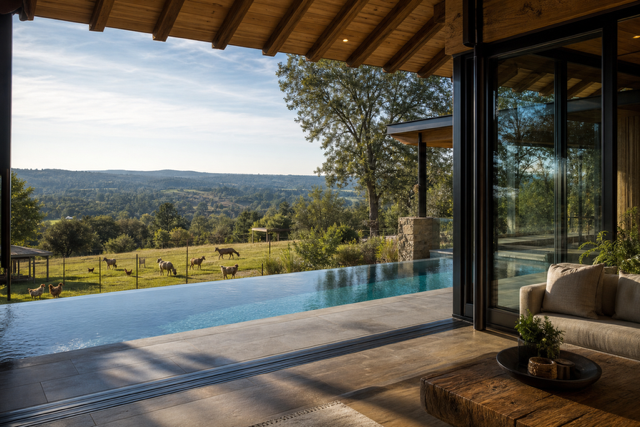


What sets a Lincoln equestrian estate apart from an ordinary ranch property?
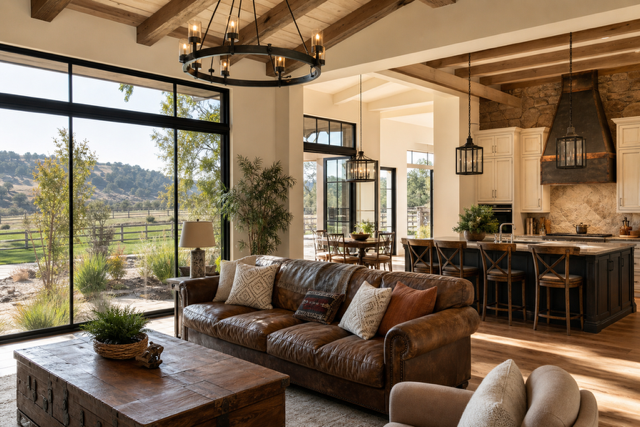
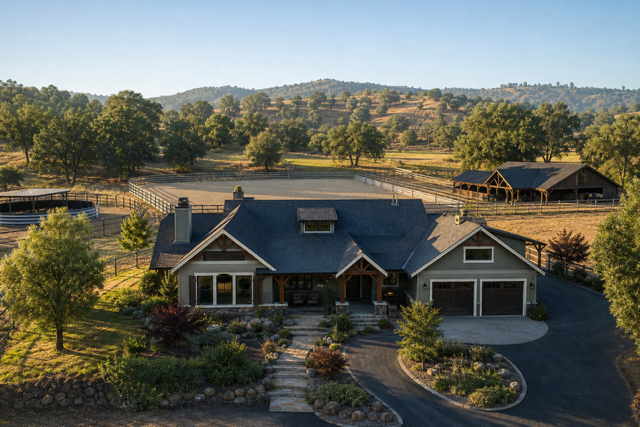
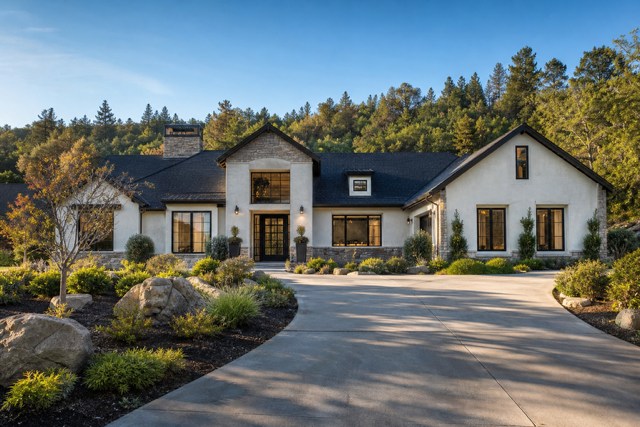
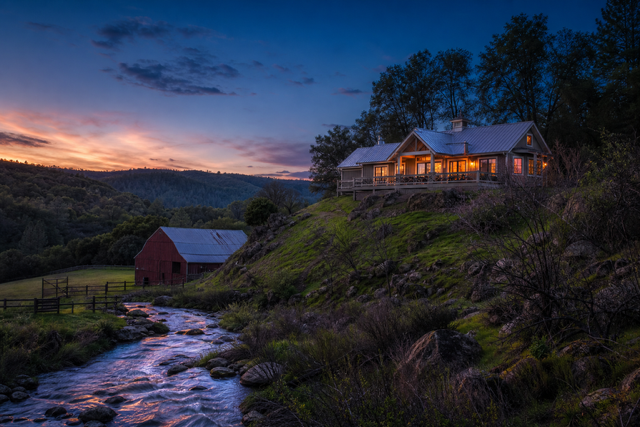
A Lincoln equestrian estate combines luxury residential living with purpose-built horse infrastructure on acreage that is explicitly zoned and permitted for equine use. Unlike a basic ranch, these properties feature professional-grade barns, covered riding arenas, irrigated pasture, and high-end home finishes, all on parcels large enough to satisfy Placer County's horse-per-acre requirements. The result is a lifestyle property, not just a working farm.
Why Lincoln Is the Right Address for Serious Horse Properties
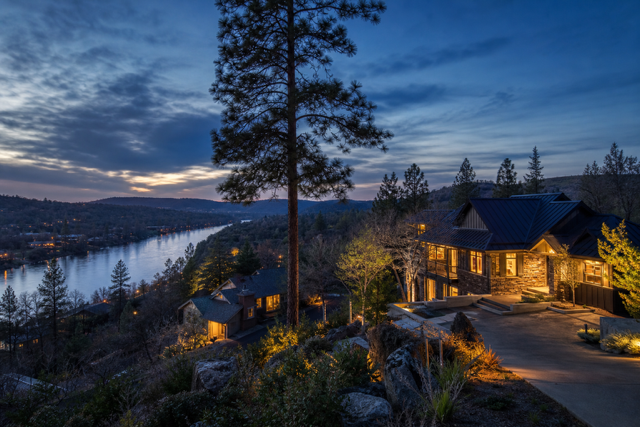
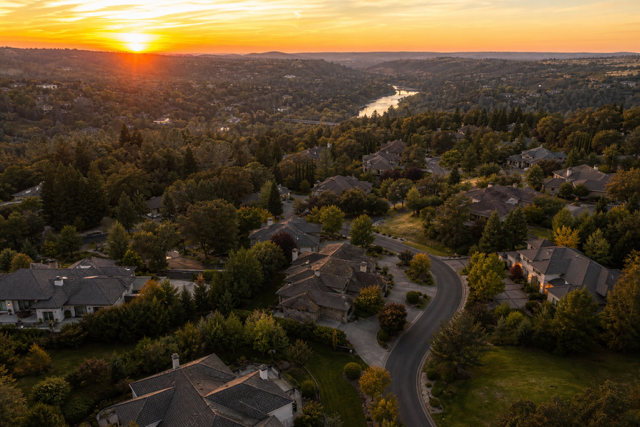
Lincoln sits in western Placer County, about 30 miles northeast of Sacramento, where foothill topography meets a zoning framework that actually supports equestrian living at scale. That combination is rarer than most buyers expect when they start searching.
The most recent Lincoln-specific market data I have, from the three months ending June 2026, shows a median home sale price of $620,662 and just 2.0 months of supply, according to CA Housing Market News citing Redfin data. That puts Lincoln meaningfully above the broader Sacramento-area median. For context, Redfin's Sacramento County market page showed a countywide median of roughly $553,000 for the same period. Equestrian estates with full horse infrastructure command a premium on top of that baseline, and they should.
What drives that premium is not just the house. It is the land, the zoning, and the improvements that let you actually use the property the way you intend. That is where Lincoln's regulatory framework becomes a feature, not just a compliance hurdle.
Acreage Is the Foundation of Everything
Horse density in Lincoln is tied directly to parcel size by local ordinance. Under City of Lincoln Ordinance 1050B, parcels larger than 5 acres may keep horses for private use at up to one horse per acre, subject to use-permit approval. That means a 10-acre parcel can support up to 10 horses, but only if the zoning district, site design, and permit conditions align.
Placer County's broader zoning code sets a minimum of 1 gross acre for an equestrian facility in certain agricultural and forestry zones, with specific parcel-size thresholds governing how many horses you can keep, per the Placer County Zoning Ordinance. This is not a formality. I walk every buyer through these numbers before they fall in love with a property, because a 4-acre parcel that looks like an equestrian estate on the listing photos may not legally support the operation the buyer has in mind.
What "Beyond Just a Ranch" Actually Looks Like
The Lincoln equestrian estates I work with at the luxury end of the market tend to share a core set of features that distinguish them from a basic country property:
- Barn design and capacity: Multi-stall center-aisle barns with matted stalls, wash racks, tack rooms, and feed storage built to last, not retrofitted from an old hay barn
- Riding arenas: Covered or open arenas with engineered footing, proper drainage, and enough square footage for dressage, jumping, or western disciplines
- Pasture and paddock layout: Irrigated pasture with rotational paddock systems, safe fencing (no barbed wire near horses), and direct arena access
- Water infrastructure: Dedicated water lines, automatic waterers, and in many cases a private well with sufficient yield for stock and irrigation
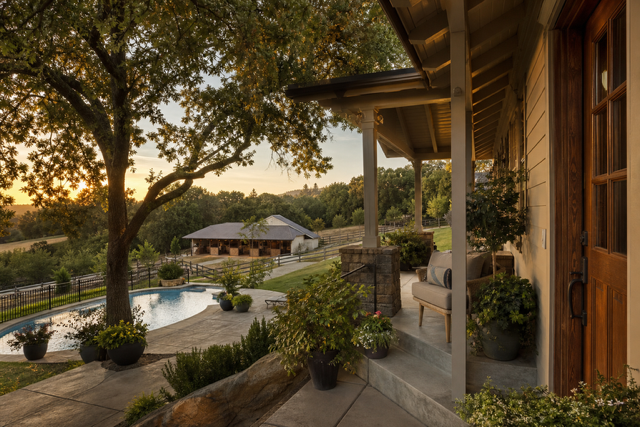
- Main residence quality: The house itself matches the land, with luxury finishes, views across the property, and outdoor living space that connects the home to the equestrian operation
- Setback and erosion compliance: Per Placer County's Equine Management Regulations, new enclosures must meet zoning setbacks and erosion controls, which matters if a buyer wants to expand or modify the existing setup
Every one of those elements affects value, usability, and future permitting flexibility. When I represent a buyer on a Lincoln horse property, we are not just evaluating the house. We are evaluating the entire operation.
What to Know Before You Make an Offer
Buying an equestrian estate is a different transaction than buying a luxury home on a flat suburban lot. Here is what I tell every client who comes to me with a Lincoln horse-property search.
Zoning and Use Permits Come First
Not every large lot in Lincoln is zoned for horses, and not every horse-compatible lot is permitted for a commercial or semi-commercial boarding or training operation. The Placer County Zoning Ordinance distinguishes between private horse keeping and an equestrian facility, and the permit requirements differ significantly. Before you write an offer, you need to know which category the property falls into, and whether your intended use matches.
Use-permit approval is not automatic. If a buyer wants to expand a barn, add a second arena, or operate any kind of commercial equestrian activity, that requires a separate review process. I flag this early so there are no surprises after escrow closes.
The Inspection Scope Is Larger Than a Standard Home
A standard home inspection covers the residence. An equestrian estate inspection needs to cover the residence, the barn, the arena footing and drainage, the well and water system, the fencing, the septic or sewer connections for the barn, and the electrical panel capacity for the entire property. That is a longer list, and it requires specialists, not just a general home inspector.
Arena footing is one of the most overlooked items. Replacing or refooting a covered arena is a significant cost, and the condition is not always obvious from a walk-through. I recommend buyers bring an equestrian facility consultant or an experienced trainer to the inspection, in addition to the standard inspector.
Property Taxes and Closing Costs in Placer County
Because Lincoln is in Placer County, property taxes and recording are handled at the county level, not Sacramento County. Placer County's Treasurer-Tax Collector bills property taxes in two installments: the first is due November 1 (delinquent after December 10), and the second is due February 1 (delinquent after April 10). On a high-value equestrian estate, prorated property taxes at closing are a meaningful number, and your escrow officer will calculate them precisely based on your close date.
California's base documentary transfer tax rate is $0.55 per $500 of consideration, per the state's published rate. Local add-ons can apply, and responsibility for the transfer tax is commonly negotiated between buyer and seller. Confirm the allocation in your purchase contract, and verify the final figures with your escrow officer.
If the property will be your principal residence, the California Homeowners' Exemption allows up to $7,000 of assessed value to be exempted with a one-time filing to the county assessor. If the estate functions as a second home, investment property, or mixed-use operation, that exemption does not apply.
The specific cost picture for your transaction depends on your purchase price, your close date, any Mello-Roos or HOA assessments on the parcel, and what you negotiate with the seller. That is exactly the kind of analysis I walk my clients through before they finalize an offer.
| Market Indicator | Lincoln, CA (Most Recent Data Available) | Sacramento County (Most Recent Data Available) |
|---|---|---|
| Median Sale Price | $620,662 (3 months ending June 2026) | ~$553,000 (3 months ending June 2026) |
| Months of Supply | 2.0 months (June 2026) | Not directly comparable (different methodology) |
| Active Listings | 589 (June 2026) | 3,326 (April 2026, per FRED) |
| Property Tax Billing | Placer County (Nov 1 / Feb 1 due dates) | Sacramento County (separate schedule) |
Sources: CA Housing Market News / Redfin; Redfin Sacramento County; FRED Sacramento County inventory; Placer County Tax Collector.
Lincoln's median sits well above the broader county figure, and equestrian estates with full infrastructure sit above Lincoln's median. If you are evaluating whether a specific property is priced correctly for its acreage, improvements, and zoning, that is a conversation that requires a detailed, property-specific analysis, not a general market average.
I do that analysis for every client I work with in this space. If you are serious about Lincoln horse properties, the only way to know whether a listing is priced right is to run the numbers on that specific parcel with someone who knows what equestrian infrastructure actually costs to build and maintain in this market.
You can read reviews from buyers and sellers I've worked with on Google and Zillow.
Frequently Asked Questions
What makes a Lincoln property qualify as an equestrian estate instead of just a ranch?
The distinction comes down to zoning compatibility, acreage, and purpose-built horse infrastructure. A true equestrian estate has a residence with luxury finishes, a properly permitted barn, a riding arena, and enough acreage to meet Placer County's horse-per-acre requirements under the applicable zoning district. A basic ranch may have land and outbuildings but lack the permitted equine density, arena infrastructure, or residential quality that defines an estate-level property.
Are horses allowed on every large lot in Lincoln, or only certain zoning districts?
Not every large lot qualifies. Horse keeping in Lincoln is governed by both the City of Lincoln's ordinances and Placer County's zoning code, and the rules depend on which zoning district a parcel falls in. Some agricultural and rural residential zones allow private horse keeping; others require a use permit or do not permit horses at all. Always verify the zoning district and permitted uses for a specific parcel before making an offer.
How many acres do you need for horses in Lincoln, CA?
Under City of Lincoln Ordinance 1050B, parcels larger than 5 acres may keep horses for private use at up to one horse per acre, subject to use-permit approval. Placer County's zoning code sets a minimum of 1 gross acre for an equestrian facility in certain zones. The practical answer for a serious equestrian operation is that more acreage gives you more horses, more flexibility, and more buffer from neighboring parcels for setback compliance.
Do Lincoln horse properties usually need a use permit?
It depends on the intended use and the zoning district. Private horse keeping on a qualifying parcel may be permitted by right in some zones, but operating a boarding facility, training operation, or equestrian facility typically requires use-permit approval from the city or county. Per Placer County's zoning ordinance, the permit requirements differ based on scale and commercial activity. Confirm the specific permit status for any property you are considering before closing.
What should buyers inspect first in a Lincoln equestrian estate: barn, arena, footing, or water?
All four matter, but water infrastructure is often the most costly to fix and the easiest to overlook. A private well's yield, pressure, and water quality directly affect whether the property can support the number of horses you intend to keep. After water, arena footing and drainage are the next most expensive items to replace or remediate. I recommend bringing both a general inspector and an equestrian facility specialist to any horse-property inspection, in addition to a well inspector.
How do Placer County zoning rules affect horse barns and paddocks?
Placer County's Equine Management Regulations require that new equine enclosures meet zoning setbacks and include erosion controls. There are also minimum fencing setbacks from neighboring residential parcels in certain cases. This matters if you plan to add a barn, expand paddocks, or reconfigure the layout after purchase. Any planned improvements should be reviewed against current county requirements before you finalize your purchase decision.
Buying a Lincoln equestrian estate is one of the most rewarding and complex transactions in this market. The right property for a serious horse operation requires the right acreage, the right zoning, and the right infrastructure, and the only way to evaluate all three accurately is to work with someone who knows this specific niche.
If you are ready to explore Lincoln equestrian estates, I would love to walk you through what is available and what actually works for your horses and your lifestyle. Schedule a strategy call here, or if you already own a horse property and want to know what it is worth today, request a free home valuation.
About Lori McIntosh
Lori McIntosh is a REALTOR® (DRE 02122219) with GUIDE Real Estate, specializing in luxury country homes and equestrian estates across Auburn, Meadow Vista, Newcastle, Rocklin, Lincoln, Penryn, and the Greater Sacramento region in Placer, Nevada, Sacramento, and El Dorado counties. She brings 30+ years of sales experience, a background as a former Occupational Therapist and Pharmaceutical Sales Rep, and a deep focus on 55+, seniors, and downsizers seeking smooth, low-stress transitions in the high-end acreage and refined country property market.
GUIDE Real Estate · (530)613-5644
Equal Housing Opportunity. Lori McIntosh, REALTOR® DRE 02122219, brokered by GUIDE Real Estate. This article is general information only and does not constitute legal, tax, or financial advice. Verify all costs, zoning details, and permit requirements with your escrow officer, tax advisor, lender, and the applicable county or city planning department.