

Well Water, Septic, and Fire Zones: What Rural Buyers in Auburn Must Know Before They Make an Offer
Here is a pattern I see constantly. A Bay Area buyer falls in love with a foothill property. The view, the oaks, the barn, all of it. Then, somewhere around day ten of escrow, they learn what a well production test is, discover the septic system predates the moon landing, and get their first fire insurance quote. Suddenly the dream has a spreadsheet attached.
None of those three topics should kill a deal. But all three should be understood before you write the offer, not after. This is the guide I wish every rural buyer read first. Consider it your pre-offer education on the three systems city properties never made you think about.
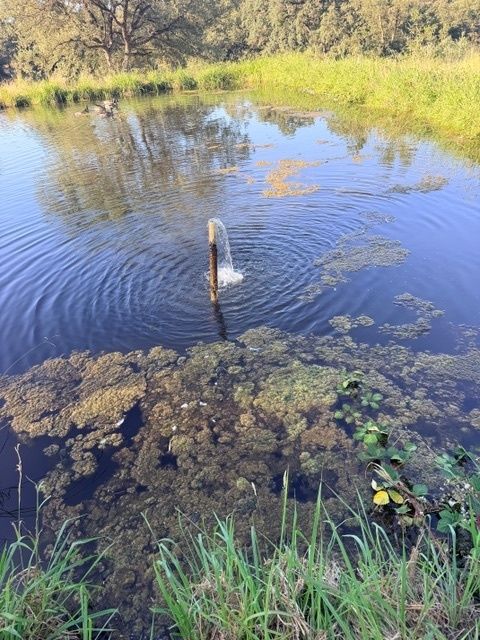
Wells: your private water utility
If the property is not on municipal water, you own the waterworks. That means you need to evaluate it like a utility inspector would.
Production. The headline number is gallons per minute. A well test during escrow measures how much water the well actually produces over a sustained draw. Context matters: a lower-producing well paired with a large storage tank can serve a household beautifully, while a decent well with no storage leaves you vulnerable during peak use. Ask for both numbers together, production and storage, and evaluate them against your intended use. A couple in a two-bedroom home has very different needs than a family irrigating landscaping and filling horse troughs.
Quality. Test the water. Standard panels cover bacteria, nitrates, and common minerals. Foothill wells are often excellent, but hard water is common, and occasionally you will see naturally occurring minerals that call for treatment systems. Treatment is normal and solvable. Surprises after closing are not.
Age and equipment. Ask when the well was drilled, when the pump was last replaced, and where the pressure tank lives. Pumps are a wear item with a finite lifespan. A twenty-year-old pump is not a defect, but it is a future line item you should price in.
The paperwork. Well completion reports are on file with the county and tell you depth, yield at drilling, and construction details. I pull these as a matter of routine for my buyers.
One more thing: drought awareness. Most established Auburn-area wells are reliable, but well depth and static water level are worth understanding in any dry-summer climate. A deep, steady well is quiet wealth.
Septic: the system nobody wants to discuss and everybody should
Every rural property processes its own wastewater, and the septic system is the least glamorous, most important inspection of your escrow.
Get a real inspection, not a glance. A proper septic evaluation involves locating the tank, opening it, checking levels and baffles, and evaluating the leach field. In Placer County, septic systems come under county environmental health oversight, and permits and records for newer systems are typically on file. Older properties may have systems that long predate current standards. That is common and often fine, but you want to know.
Capacity matters. Septic systems are sized by bedroom count. If you are buying a three-bedroom home with dreams of adding an accessory dwelling unit or a guest wing, the septic system's capacity and the parcel's ability to support expansion become a real part of your due diligence. This is a conversation to have before the offer, because it shapes what the property can become.
Know the failure math. A failing leach field is one of the more expensive rural repairs, and replacement can run well into five figures depending on soils and site. This is precisely why the inspection exists and why offers on rural property should always include a septic contingency. In my transactions it is non-negotiable.
Live with it kindly. Once you own one, a septic system asks little: pump the tank on a sensible schedule, keep heavy vehicles off the leach field, and be thoughtful about what goes down the drain. Millions of rural households do this without drama.
Fire zones: the topic that deserves straight talk
I live in the foothills, I have prepared my own ranch through many fire seasons, and I will give you the honest version: fire risk is real here, it is manageable, and it must be part of your purchase math.
Know your zone. California maps fire hazard severity zones, and any property you consider sits in one. The zone affects building requirements, disclosure obligations, and, most tangibly, insurance. Your first step on any serious candidate property is simple: look up the zone. I do this for clients before we even tour.
Get an insurance quote during escrow, not after. This is the single most important sentence in this article. Fire insurance in California has been a moving landscape, with some carriers limiting new policies in higher-risk areas and the California FAIR Plan serving as the backstop option. Coverage is essentially always obtainable, but the cost varies enormously by property, zone, construction type, and defensible space. A quote in hand during your contingency period turns an unknown into a number, and numbers can be negotiated around.
Evaluate the property's defenses. Walk the land looking for defensible space: cleared zones around structures, limbed-up trees, maintained vegetation. Look at the home's construction, because ember-resistant vents, enclosed eaves, and a Class A roof matter more than most buyers realize. Look at access, both for fire equipment coming in and for you evacuating out. A property that has been lovingly hardened by a conscientious owner is worth a premium, and I can show you what that looks like versus one that will need a season of work.
Then live like a local. Foothill residents maintain defensible space every spring, keep evacuation plans current, and pay attention during red flag warnings. It becomes rhythm, not fear.
How this changes your offer strategy
Here is how a well-advised rural buyer uses all of the above. Before the offer, we identify the fire zone, pull the well report, and check septic records, so nothing structural surprises us. In the offer, we build in inspection contingencies for well production and quality, septic evaluation, and time to secure an insurance quote. During escrow, we run every test, and the results either confirm the price or become negotiating leverage for repairs, credits, or price adjustments.
Rural due diligence is not a reason to fear these properties. It is the reason informed buyers get them at fair prices while unprepared buyers walk away from good homes over solvable issues.
The bottom line
Wells, septic, and fire zones are the tuition of country living. Pay it upfront, in knowledge, and the lifestyle on the other side is everything the view promised.
If you are considering rural property in Auburn, Placer County, or southern Nevada County, this due diligence is exactly what I do for my buyers on every transaction, because I have done it for my own five acres. Reach out and I will walk you through what your specific dream property needs to prove before it earns your offer.
Lori McIntosh is a luxury country and equestrian property specialist with GUIDE Real Estate | Forbes Global Properties in Auburn, CA. DRE #02122219.